The easiest office to reach isn’t always the one closest to downtown. Easy-access office space in Sacramento depends on how your team and visitors travel, which services you need onsite, and whether the workspace fits your schedule.
Weigh commute convenience alongside the office itself. Parking, public transportation, freeway routes, and bike access can all affect how practical a location is for employees, clients, and business partners. This guide covers Sacramento office options, shared services, flexible terms, and transportation access. You’ll learn what to consider when choosing between private and team offices, which amenities can simplify the workday, and how lease terms and location affect the fit. Use these factors to find a workspace that supports your business without adding unnecessary complexity.
Key Takeaways
- Match your workspace type to how often your team works onsite, the privacy it needs, and how it meets with clients.
- Look beyond the office itself: shared meeting facilities, internet, reception, and mail services can shape the day-to-day experience.
- Review lease length, renewal terms, deposits, and added fees to understand how flexible an office arrangement will be.
- Factor in employee commutes and client visits when weighing Sacramento locations and regional access.
- Compare parking, public transportation, bike access, and freeway routes to find a location that works for the people who use it.
Open desks, private offices, and team offices
Start with the days your team actually works onsite, not its total headcount. A six-person business might need space for only three people if schedules rarely overlap. A team that meets together regularly, by contrast, may need room for everyone at once. Estimate peak attendance, then match the workspace to the busiest day. This helps avoid choosing a room based on an average that hides actual demand.
Open desks suit work that moves between locations or involves occasional in-person collaboration. On-demand workspace can help when a remote employee needs a desk for a particular day rather than a permanent office. Team plans may suit several colleagues who need workspace at different times. Before choosing a model, map expected attendance: identify which days require one desk and which bring the whole group together.
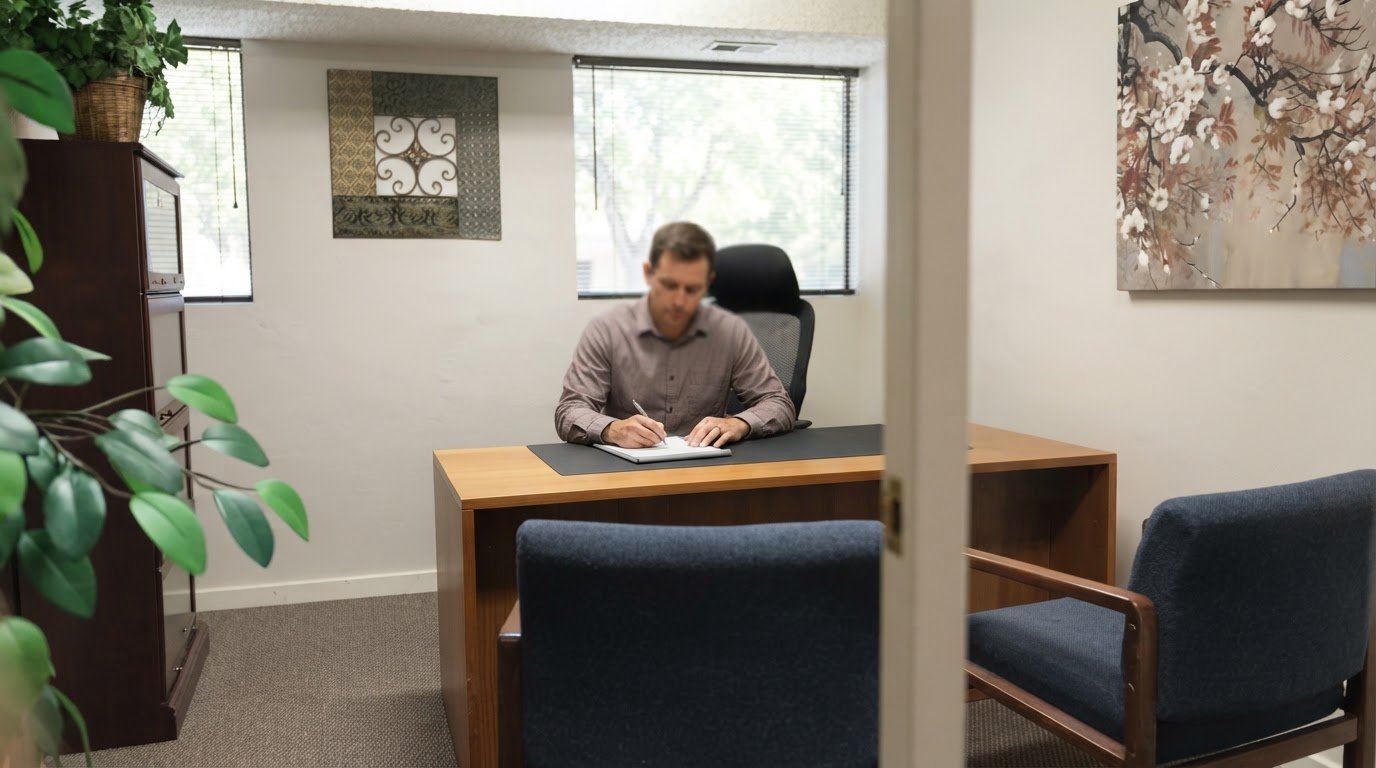
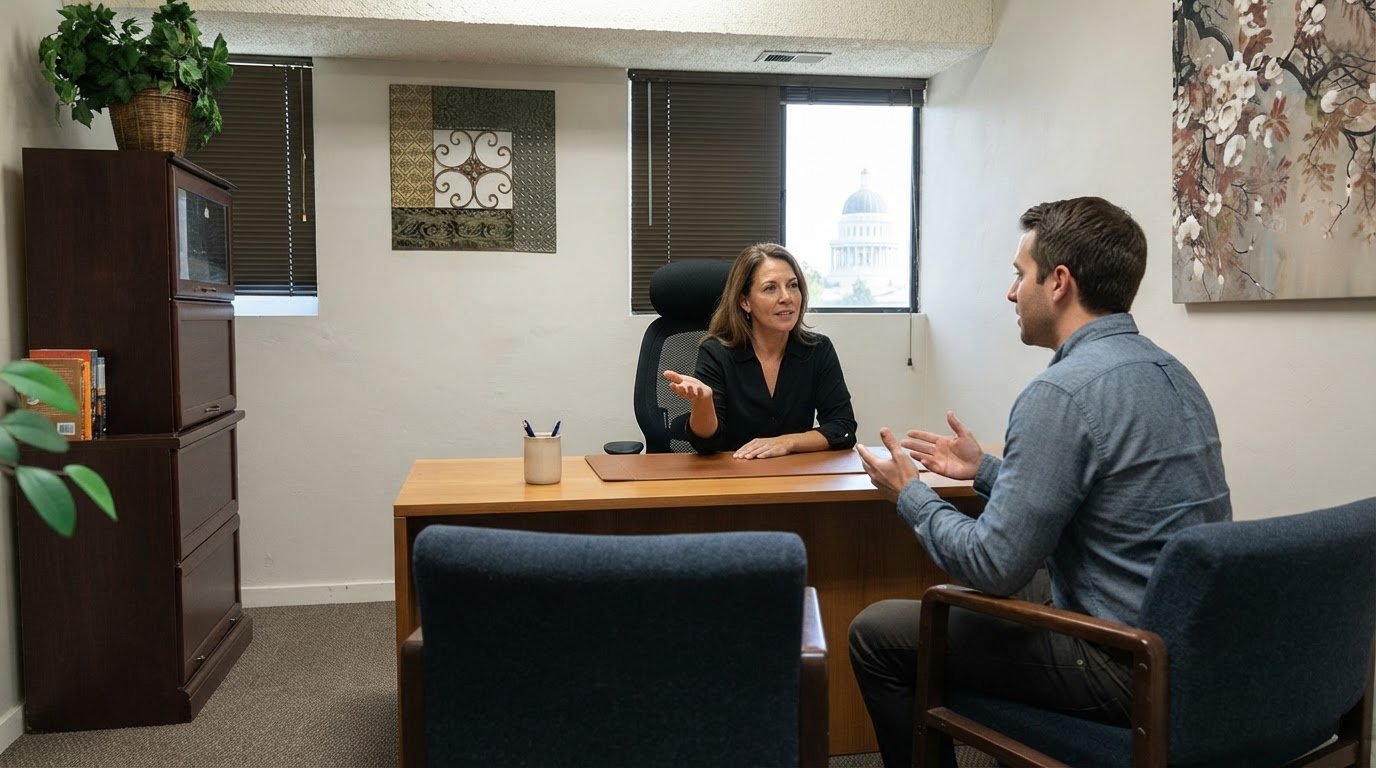
A private office provides a dedicated room for focused work, confidential conversations, or regular client meetings. A small firm with two people might prioritize privacy and a quiet meeting space. A larger group may value shared space where colleagues can work together without booking separate desks. The right choice depends on the privacy, collaboration, and equipment space the team needs each day.
- For variable attendance: Consider on-demand desks when individual visits are occasional and don't require a dedicated room.
- For staggered schedules: Explore a team plan if colleagues use workspace at different times.
- For consistent collaboration: Consider a team office sized for peak onsite attendance.
- For private work: Choose a private office when confidential calls or client discussions are routine.
Team suites and monthly offices can suit businesses that want a defined home base without a conventional long-term lease. A growing Sacramento team could start with a smaller room, then reassess its needs as staffing and onsite schedules change. Review how the agreement handles room changes, renewals, and added space. These terms matter alongside the initial layout when a business expects its headcount or attendance pattern to shift.
Use a practical test before choosing a format: compare your team’s busiest day with its usual schedule, then list activities that require privacy. For example, a consultant who meets clients may need a private setting even if only one person works onsite. A remote team that meets occasionally may need shared workspace for those sessions. This comparison grounds the decision in real work habits, not the maximum number of people on the payroll.
Shared amenities and office services
There isn’t one Sacramento average that describes coworking, shared offices, and private offices equally. Pricing varies with workspace type, capacity, lease length, included services, and separately billed costs. Compare what each option includes and how well it fits your needs.
Shared Office Amenities
Shared-workspace amenities can support work beyond the desk itself. Common examples include meeting rooms, reception, mail handling, lounges, kitchens, and onsite support. A team that hosts clients may value bookable meeting space, while someone working between appointments may prioritize a quiet lounge. Consider which features support your actual workday instead of treating every amenity as equally useful.
Access matters as much as the amenity list. Find out how shared meeting rooms are scheduled, whether other users share the kitchen, and where visitors are received. A consultant holding confidential conversations, for example, may need a private room rather than an open lounge. These details affect how well shared workspace supports focused work and professional meetings.
Included Business Services
Business services can simplify daily operations, but inclusions vary by office arrangement. Internet, utilities, furnishings, maintenance, and cleaning may be included or billed separately. Distinguish those items from optional services such as reception and mail handling. A clear breakdown helps you see which facilities support routine work and which may add costs.
Think through a typical workday to identify the services that matter. A small firm may rely on reliable internet and furnished work areas, while a client-facing business may need reception and conference facilities. If mail handling is important, consider whether a virtual office arrangement fits that need. Match each service to a real task before weighing its value.
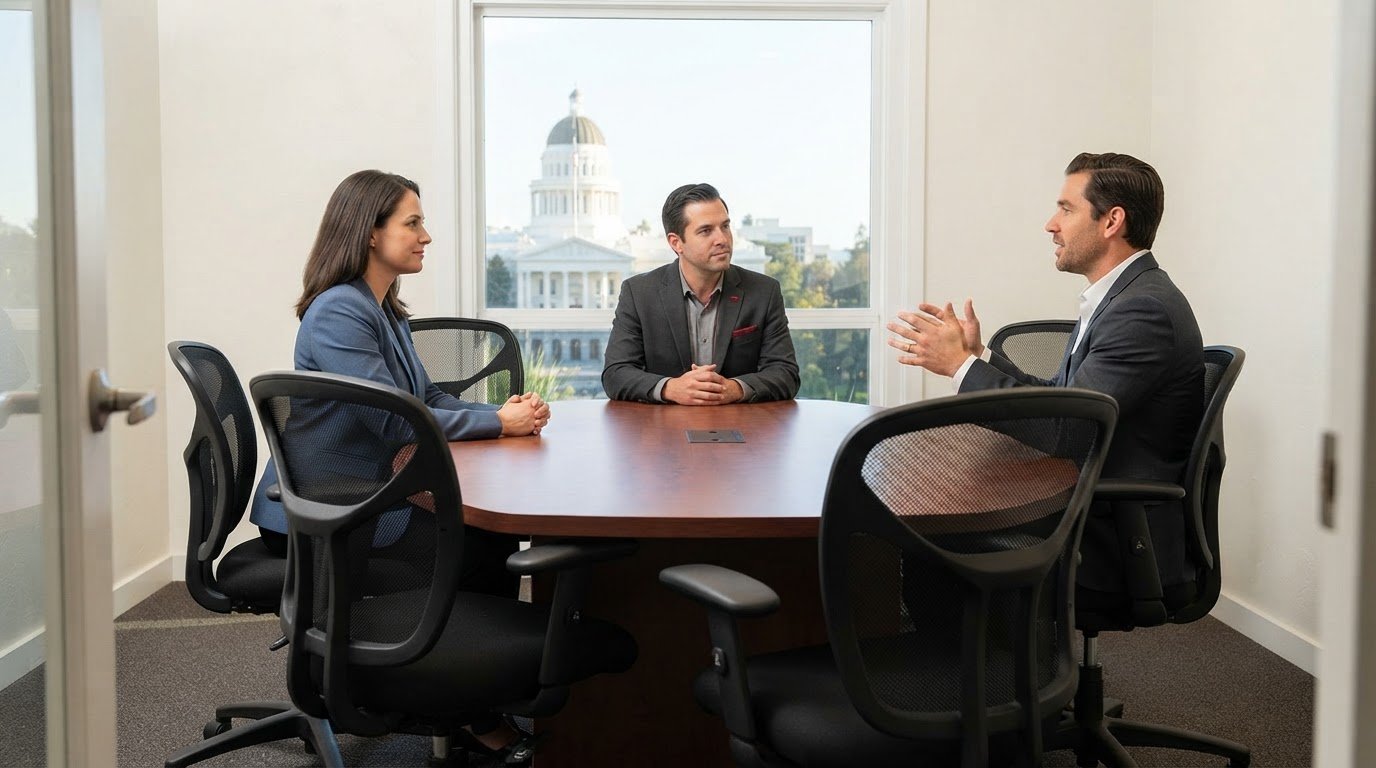
Compare arrangements by practical use, not by amenity count alone. A kitchen has little value to a team that rarely works onsite, while a reservable conference room can help when client meetings happen regularly. Find out how room scheduling works and whether a meeting space is shared. These details can shape both convenience and the work experience.
Separate included services from optional conveniences before comparing offices. One workspace may include furnishings and cleaning, while another bills for some of those items separately. Mail handling, reception, and onsite support can also differ. A written breakdown makes those differences clear and helps prevent the assumption that an amenity is included just because it appears in a building description.
For coworking users, shared amenities can support a functional workday without a dedicated room. Consider whether the arrangement provides suitable space for calls, focused tasks, and meetings. A professional who spends most of the day on calls may prioritize quiet areas; someone collaborating with colleagues may value shared lounges. Choose according to work patterns, not a generic checklist.
Use a short comparison list: meeting rooms, reception, mail handling, internet, utilities, furnishings, maintenance, and cleaning. Mark each item as essential, useful, or unnecessary for your work, then compare how each workspace handles it. This brings the practical differences into view and keeps the decision focused on services that support your business.
Flexible booking and workspace terms
In Sacramento, coworking typically provides access to shared workspace, while a traditional lease covers defined premises. The better fit depends on how much control, privacy, and commitment your business needs.
Month-to-Month Leasing
Month-to-month leasing can suit a business whose staffing, schedule, or space needs may change. A consultant testing an office routine in Sacramento, for example, may value a shorter commitment before choosing a longer arrangement. Review the notice period, renewal process, deposit, and any additional fees. These terms determine how easily the business can adjust or leave.
Flexibility still requires clear boundaries. Check whether the agreement covers a specific office or shared access, and how changes affect the arrangement. A growing team should understand how to request more space; a business scaling down should know what happens at renewal. Review these details alongside the monthly commitment, not just the initial term.
Coworking and Traditional Leases
Coworking typically provides shared workspace and amenities through a membership or flexible plan. A traditional office lease generally assigns defined premises for an agreed term. A solo professional who needs occasional workspace may prefer shared access, while a firm that needs consistent privacy may favor a private office. Compare the terms, responsibilities, and included services.
Traditional leases may involve deposits, renewal conditions, annual increases, and additional fees. A flexible plan can differ in both what it includes and how access works. For example, a team that needs a conference room but not a permanent suite should weigh meeting access against the cost and commitment of dedicated space. The agreement, not the label, determines the practical fit.
Use a simple review process before signing. First, identify how long the business expects to need the workspace. Next, compare the lease length with likely changes in staffing or attendance. Then review deposit requirements, renewal terms, annual increases, and additional fees. A startup expecting uncertain growth may prioritize flexibility over a settled business with stable space needs.
Also consider how the agreement handles changes during the term. If a team adds staff, clarify whether its current space can accommodate the change or if a new arrangement is needed. If the business expects fewer onsite days, examine whether it can adjust its plan. These examples show why flexibility depends on contract terms, not simply the words “month-to-month.”
Booking rules matter too. A shared plan may require scheduling desks or meeting rooms, while a private arrangement can provide a consistent workspace. Review how the agreement handles reservations, cancellations, renewals, and access. A business that regularly hosts clients, for instance, needs a clear way to secure suitable meeting space without disrupting its schedule.
Finally, compare the full commitment rather than focusing on one feature. A shorter term can offer room to adapt, but included services and fees still matter. A longer lease may suit a business that values a stable, dedicated location. Set priorities in order: required privacy, expected duration, growth plans, and acceptable financial obligations. This makes Sacramento office terms easier to compare.
Office location and regional accessibility
Choose a Sacramento location based on the people who use it. Employee commutes, client visits, and regular business destinations all affect whether an office works in practice.
Downtown Sacramento Offices
Downtown Sacramento can suit organizations that regularly work with government agencies, courts, downtown businesses, or clients across the region. A central location can make these meetings more convenient, especially when staff travel to several destinations during the workweek. Map recurring appointments before choosing an office, then consider how often employees and visitors need to reach the area.
Location within downtown also matters. An office near regular meetings may reduce time spent traveling between appointments, while a location farther away may suit a team with fewer in-person visits. Consider the routes employees and clients use and whether the surrounding area works for professional meetings. Match the address to your actual schedule, not just the appeal of a central location.
Neighborhood and Location Choices
Sacramento office locations support different routines. A business with clients across the region may value access from several surrounding communities. A team that mostly works onsite may prioritize employees’ daily commutes. List where people travel from and where they go for work, then compare how each potential neighborhood connects those points.
Regional access involves more than a map pin. Consider freeway routes, public transportation, bike access, parking, and the time employees or clients spend reaching the office. A client-facing firm may value a location that is straightforward for visitors to find, while a team arriving from different parts of the region may prioritize transportation options. These factors help distinguish a practical address from one that only looks central.
Build a location brief before narrowing your options. Include frequent meeting destinations, usual employee commute origins, and how often clients visit. A firm that regularly meets with downtown agencies and courts may weigh centrality heavily. A business whose team travels from surrounding communities may prioritize regional routes. This brief makes each location easier to assess against actual work patterns.
Check the work environment alongside access. Reliable internet supports video meetings, cloud-based tasks, and communication with colleagues elsewhere. Consider whether the workspace can meet these daily needs as well as accommodate client appointments. A well-placed office still needs to function for the work happening inside it, from focused tasks to scheduled meetings.
Finally, compare what it’s like to arrive at each location. Think about how a first-time visitor would reach the entrance, where they could park, and whether transit or bike routes suit their trip. Consider both a client visiting from outside downtown and an employee commuting from a surrounding community. Each journey reveals practical details that a general neighborhood description may miss.
Parking, bike storage, transit, and access
Transportation affects how easily employees and visitors can use a Sacramento office. Compare parking, public transit, bicycle access, freeway routes, and the path into the building.
For wheelchair access, prioritize an office with an accessible entrance, elevator access where needed, and accessible restrooms. These features should work together along the route from arrival to the workspace, not just at the building entrance.
Parking can shape employee commutes and client visits. Sacramento-area offices differ in parking availability, convenience, and whether parking is included in the lease. An employee who drives daily may value onsite parking, while a client visiting for a meeting needs a practical place to arrive. Include both routines in your location assessment.
Citizens Business Center tenants have free onsite parking, which can simplify arrival by car. For a business that regularly welcomes visitors, onsite parking can make meetings easier to plan. Compare this benefit with the routes your team actually uses, since parking alone does not determine whether a location works for you.
Public transportation and freeway connections matter for different commutes. A team traveling from surrounding communities may depend on regional routes, while downtown visitors may arrive by transit. Map the origins of regular visitors and employees, then consider how each route connects to the office. This shows whether a location supports the people who use it most.
Bike access deserves practical attention too. Consider the route to the building and whether there is a suitable place to secure a bicycle. A bike-friendly commute can still be inconvenient if the final approach or storage creates friction. Assess bike access alongside transit and driving, rather than treating it as an afterthought.
Assess the full arrival experience, from the curb or parking area through the entrance to the work area. A visitor using a wheelchair, for example, needs a usable path through the building, including elevator access when the office is above ground level. Restroom access also matters during a longer meeting. These considerations help determine whether the space supports staff and visitors with different mobility needs.
- Driving: Compare onsite parking, lease inclusion, and visitor convenience.
- Transit: Consider routes used by employees and clients.
- Biking: Review the approach to the building and bicycle storage.
- Accessibility: Assess entrance, elevator, workspace, and restroom access as one route.
Use these criteria to narrow your options, then explore private office options that fit your team’s access needs.
Citizens Business Center: Private Offices
Citizens Business Center offers Private Offices for Sacramento businesses that need a dedicated place to work. Choose an office when your team needs a consistent workspace, privacy, or a professional setting for focused tasks. Executive Suites provide another office option, while Meeting Rooms support scheduled discussions with clients or colleagues.
If you work remotely but need a business presence, a Virtual Office may suit you better than a dedicated workspace. Consider how often you need to meet in person, welcome visitors, or work onsite before choosing an arrangement. The right fit depends on your daily needs and how your business expects to use the space.
For help choosing an option that fits your work needs, contact Citizens Business Center.
Choose a workspace that supports your next move
Your next step is to decide what role an office should play in your business. For easy access office space in Sacramento, consider whether you need a regular place to work, a professional setting for meetings, or a business presence without daily office use. That decision can narrow the options to fit your routine and future plans.
Citizens Business Center offers Private Offices, Executive Suites, and Virtual Office options. Consider which arrangement fits how you work now, then discuss the details that matter to your business. Knowing your priorities can make the conversation more focused.
Contact Citizens Business Center to discuss the workspace option that fits your needs. Take the next step with a clear plan and move forward confidently.
Frequently Asked Questions
What types of easy-access office spaces are available in Sacramento?
Sacramento businesses can choose among open desks, shared workspace, private offices, team offices, executive suites, virtual offices, and meeting rooms. Each option supports a different work pattern. A consultant who needs a regular private setting, for example, may prefer an office, while a remote professional seeking a business presence may consider a virtual office. Choose based on privacy, onsite frequency, team attendance, and client meeting needs.
Which Sacramento office spaces offer month-to-month leases or flexible terms?
Citizens Business Center offers month-to-month or annual lease options for private offices and executive suites. Flexible terms can suit businesses whose staffing or workspace needs may change. Before signing, review the agreement’s renewal conditions, deposit requirements, notice period, and any additional fees. A small company expecting to expand, for example, should understand how its workspace arrangement can adapt as its team grows.
What office spaces are near Sacramento light rail, bus routes, and major highways?
Transit and highway convenience depends on the specific office address and each visitor’s route. Citizens Business Center is at 2740 Fulton Avenue, near Fulton and Marconi Avenues. Compare that address with employees’ starting points and regular client destinations, including the transit connections or freeway approaches they use. Consider the full trip, including transfers, the walk from a stop, and the route from parking to the entrance.
What amenities are included in Sacramento flexible office rentals?
Included amenities vary by office arrangement, so compare the exact services your work requires. Citizens Business Center’s office environment includes high-speed internet, utilities, receptionist services, shared kitchen and conference facilities, and a complimentary coffee and tea station. A business hosting a client meeting may value conference access, while a remote worker may prioritize internet and a professional business address.
What should a Sacramento office space provider clarify before you sign an agreement?
Before signing, understand the lease length, deposit, renewal terms, annual increases, and additional fees. Clarify which services are included, how meeting-room reservations work, and what happens if your business needs more or less space. A team whose onsite schedule changes, for example, should understand whether its arrangement can be adjusted at renewal. Clear terms help you assess the complete commitment, not just the office layout.
Are there parking options and costs at Sacramento coworking and office locations?
Parking availability, lease inclusion, and visitor access vary by location and agreement. Citizens Business Center offers tenants free onsite parking. For another office, consider whether the parking arrangement works for staff and clients and whether the agreement includes it. A client-facing business, for example, may place extra value on visitor parking, while a transit-using team may weigh it differently.
Which Sacramento neighborhoods have the most accessible office space?
No single neighborhood is most accessible for every team; commute origins and regular destinations determine the fit. Downtown Sacramento can suit organizations that frequently work with government agencies, courts, downtown businesses, or clients across the region. Arden-Arcade is another area to consider, with Citizens Business Center on Fulton Avenue near Marconi Avenue. Compare actual routes for employees and visitors before choosing an office location.