A growing team doesn’t have to choose between working remotely and committing to a fixed office. Meeting rooms and private offices can support in-person collaboration while giving teams flexibility as their needs change. Scaling your business with flexible office space can help you create room for meetings, projects, and focused work, then adjust your setup as your team evolves.
It’s reasonable to want a professional place for focused work and in-person collaboration without taking on more space than your team needs. The right setup can balance those needs as schedules, projects, and staffing change. This article explains how flexible offices support hybrid teams, when meeting rooms are useful, and how established teams can transition into private suites. You’ll also find practical criteria for choosing a workspace that fits how your team works now and where it’s headed.
Key Takeaways
- Forecast your team’s workspace needs over the next 6-12 months to make room for growth without overcommitting.
- Use flexible workspace options to support hybrid schedules and keep workspace costs more predictable.
- Set up temporary project rooms to give contractors and distributed teams a focused place to collaborate.
- Consider meeting-room access and lease flexibility when weighing workspace options against a traditional office commitment.
- As your team grows, a private suite can provide a more consistent home base for focused work and collaboration.
How does flexible office space support hybrid working models?
Hybrid teams need a workspace for planned collaboration without requiring everyone to be onsite every day. Flexible arrangements can better match office use to changing schedules, staffing, and project demands.
Scaling Without Long-Term Leases
Scaling without a long-term lease means adjusting workspace commitments as business needs change, rather than holding the same footprint for years. That matters when hiring plans shift or remote schedules reduce daily attendance. Traditional commercial leases can bind a company to specific space for several years, while flexible arrangements may offer monthly or annual terms. Forecasting workspace needs for the next 6-12 months gives leaders a practical planning window, not a guarantee of future headcount.
Workspace Needs as Headcount Grows
A flexible workspace can adapt as employees join or schedules change. A startup onboarding new talent can add workspace, then reassess how often employees need to meet in person. Instead of planning for total headcount alone, estimate how many people will be onsite at the same time and what they need to do. This helps avoid paying for space that sits unused or choosing a setup that feels restrictive.
Predictable workspace costs can make occupancy easier to plan month by month. Some flexible arrangements include services such as internet, utilities, and shared amenities in one recurring cost. Check the agreement to see exactly what is included and what remains separate, then compare the full commitment with how your team will use the space. Citizens Business Center’s private offices and executive suites include high-speed internet and utilities, with month-to-month or annual lease options.
Infrastructure matters when hybrid work depends on reliable connections and private conversations. High-speed internet supports video calls and cloud-based work, while meeting rooms provide space for collaboration without taking over individual work areas. First, list your practical needs: internet access, private meeting space, shared facilities, and equipment for daily work. Then compare those needs with what the workspace provides.
What are the risks and disadvantages of flexible office space for scaling businesses? Shared amenities may mean less control over room access or layout, and agreement terms still determine what changes are possible. Weigh those tradeoffs against the ability to choose a workspace that better matches your current needs.
Before signing, ask what the monthly commitment covers, how workspace changes are handled, and what terms apply when needs shift. Clarify access to meeting rooms, internet arrangements, privacy expectations, and any separate charges in the agreement.
How do flexible offices handle privacy, security, internet, and compliance needs? Review the workspace’s access procedures, visitor arrangements, private meeting options, and internet setup. Then compare them with your internal requirements and the sensitivity of the work your team handles. Citizens Business Center provides private offices with secure access and meeting rooms for professional discussions.
Temporary project rooms for contractors and hybrid teams
A temporary project room gives contractors or a distributed team a shared place to focus during a defined assignment. For example, a company coordinating a seasonal campaign can bring its project lead, contractors, and remote employees together for planning, then return to remote routines when the work ends. This ties workspace use to the project instead of treating a short-term need as a permanent office requirement.
Hybrid collaboration works best when in-person time has a clear purpose. A team working remotely several days a week can set aside shared sessions for planning, reviews, or decisions that benefit from face-to-face discussion. Use a meeting room for the work that requires collaboration, then let employees complete individual tasks from their usual locations. This can bridge the gap between a fully remote routine and a dedicated office used every day.
Metro access can influence whether a hybrid meeting is workable for employees and contractors travelling from different parts of a city. For a Sacramento project team, compare where participants are based with the location of the workspace before choosing an in-person meeting day. A central location may reduce friction for some attendees, while a site closer to the project or client may suit others. Consider commute patterns alongside meeting purpose and attendance.
Shared desks can work for project teams whose members attend on different days. Rather than assigning a permanent desk to every contractor, plan workspace around who is expected onsite. Pair shared work areas with meeting-room access: use desks for individual tasks and meeting rooms for group decisions or confidential discussions. Agree on how to handle personal materials and leave shared areas ready for the next person.
Where team members are based also shapes what a room needs to support. A company with local staff and remote specialists might use the space for workshops, onboarding, and milestone reviews, while keeping routine updates online. Decide which sessions require everyone in person and which can include video participation. This helps you choose suitable furniture, room layout, and collaboration tools rather than assuming every gathering needs the same setup.
For a growing project, plan the room around the work, not just the headcount. A planning session may need a shared table, while a contractor reviewing documents may need a quieter place to focus. Define the activities, expected attendance, and equipment needs before the first workday. This reduces the risk of a room being crowded during key sessions or underused between them.
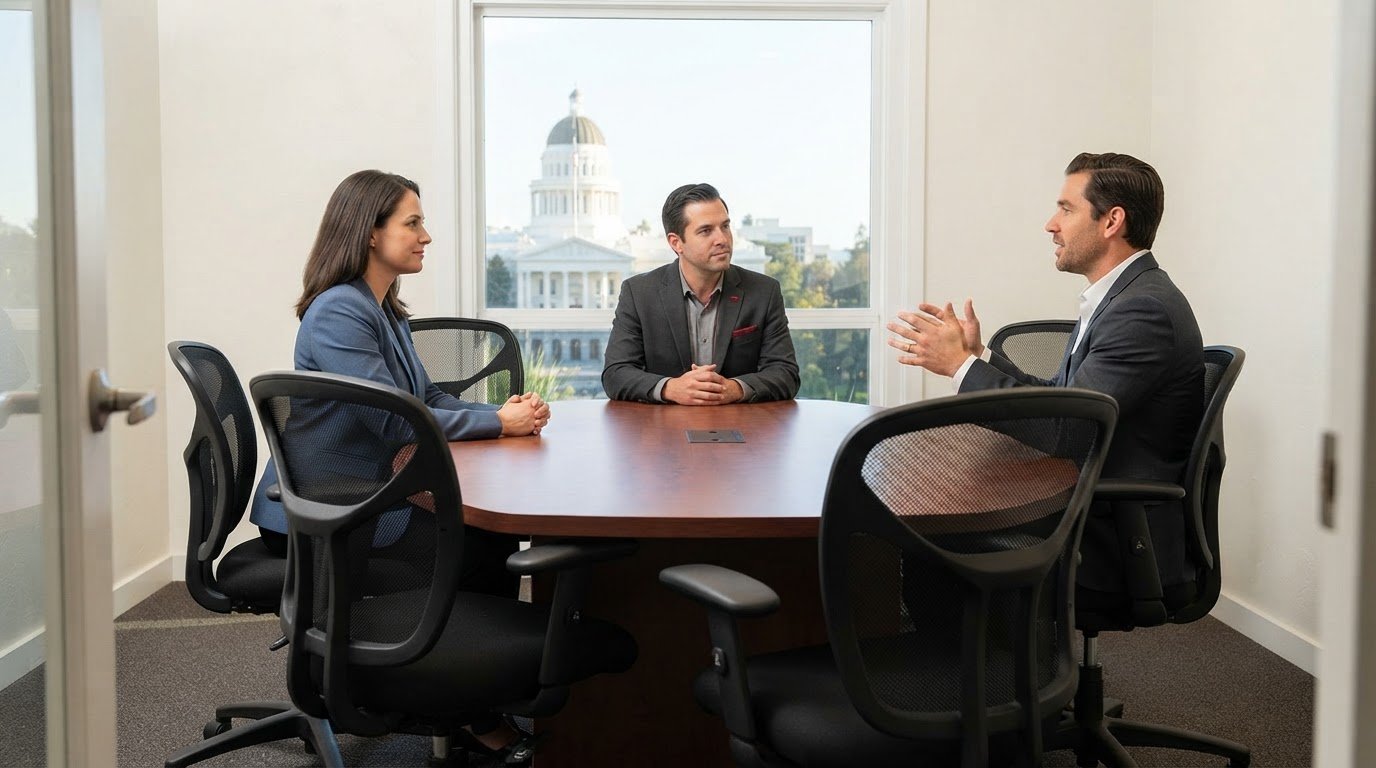
When a project depends on scheduled group discussions, Meeting Rooms can provide a dedicated setting for collaboration. Match the room to the session’s purpose, whether that means coordinating contractors, reviewing deliverables, or bringing a hybrid squad together.
Are meeting rooms included with flexible office agreements?
Meeting-room access is a workspace requirement, not an assumed extra. Check how room reservations work and whether the arrangement includes access. A product review, contractor briefing, and client presentation may each need different capacity or privacy. Citizens Business Center offers meeting rooms for presentations and client consultations, with on-site staff support and high-speed internet.
Traditional office leases can make headcount growth difficult to manage. These agreements are typically fixed-term for 3 years or longer, so a company may remain committed to its original space as hiring accelerates. A team that starts in a small office might need additional desks before its lease ends. A shrinking team can face the opposite problem, paying for space it no longer uses.
A long commitment can also make planning harder. A traditional office lease may require forecasting workspace needs years ahead, even when hiring plans and hybrid schedules can change sooner. Growth can bring more employees without increasing daily office attendance. A company adding remote staff, for example, may need project rooms and occasional meeting space rather than a larger permanent office. A fixed footprint can make that distinction difficult.
Flexible terms give businesses another way to match workspace to changing plans. Modern serviced office providers may offer month-to-month leases or other flexible terms. Coworking agreements typically run for 12-18 months, which is shorter than a traditional lease but still requires planning. Compare the term with hiring forecasts, project timelines, and the time needed to relocate. Flexibility matters most when those business changes are difficult to predict.
Meeting-room access is one detail to examine alongside the lease term. Coworking agreements typically include Wi-Fi, utilities, furniture, and meeting-room access in the price. However, the agreement determines the actual access arrangements. A company holding recurring team reviews should understand how room use fits its schedule. A business hosting occasional client meetings may prioritize professional space without needing a full-time office footprint.
Traditional offices can also involve setup and coordination. Arranging utilities, furniture, and internet can take time, while a lease may already be in effect—frequently requiring ongoing property and facilities management from firms such as Citacle Realtors to oversee daily operational needs. Flexible workspace can reduce the need to manage each setup task independently, depending on the arrangement. Compare the overall commitment, included services, meeting access, and ability to adapt. This helps align the workspace decision with actual growth rather than an early estimate.
How quickly can a team move into a flexible office space?
Flexible offices can support business growth by helping a company test a city, hire locally, and match workspace to operations. A startup can begin with a small coworking office for a sales team, then expand its footprint as local demand develops.
A new-city test works best when it answers a clear business question: can local staff reach customers and support sales effectively? A small office gives a local team a place to meet, coordinate hiring, and focus on work. The business can observe customer response and operational needs before making a larger commitment. For example, a sales team can establish a local presence while leadership evaluates whether demand supports broader expansion.
Move-in speed affects how quickly that test can begin. Fully prepared flexible office spaces can accommodate teams within 24 to 48 hours. By comparison, setting up utilities, furniture, and high-speed internet in a traditional office can take weeks of coordination. Traditional commercial property fit-outs can take multiple months. For a startup responding to a new opportunity, reducing setup work can bring hiring and local operations forward.
Expanding into multiple locations adds coordination demands. A company opening in a second city needs to connect local staff with existing teams, customers, and internal processes. Flexible workspace can give each location a base without requiring the same office footprint everywhere. For example, a company might use a small office for sales meetings while keeping other roles remote, or work with regional property specialists such as Golden Bricks Real Estate when exploring commercial opportunities in international hubs. Choose workspace according to each location’s purpose.
Business agility comes from matching workspace decisions to what an expansion needs now. A new market may first require interviews, customer meetings, and a few local hires. Later, a growing operation may need more desks or a dedicated team office. A flexible starting point lets leaders learn from actual hiring and customer activity before deciding how much space the market calls for.
Plan the expansion around operations, not just a move-in date. Identify which roles need local presence, what work requires in-person coordination, and how the team will communicate across locations. A new sales group, for instance, may need a base for client meetings but not a daily office for every employee. These distinctions help determine whether a small coworking office supports the test or whether the team needs more space.
Review the arrangement as the location develops. Track practical signals such as local hiring progress, customer meetings, and the team’s need for shared work time. If operations remain small, keep workspace aligned with that footprint. If demand grows, use what you’ve learned to plan the next step. This measured approach helps a business explore expansion without treating its first office as a permanent commitment.
Private office suites for established teams
An established team may need more consistency than occasional project rooms provide. A private office suite creates a dedicated base for employees who coordinate regularly, handle sensitive discussions, or need space for focused work. For a hybrid company, it can anchor scheduled in-person days without requiring every employee to commute daily. Match the suite to actual attendance and team routines.
Team structure should guide the space decision. A department that collaborates frequently may benefit from working together in one suite, while employees who mainly work remotely may need less dedicated space. Map which roles need regular onsite time, where confidential conversations happen, and how often teams meet. That picture helps distinguish a genuine need for a private office from a preference for occasional access.
Private offices can also give established teams greater control over their work setting. Dedicated space supports consistent arrangements for desks, documents, and team equipment. High-speed internet is important for employees using cloud tools and video meetings, especially when hybrid colleagues join remotely. Consider connectivity alongside privacy, room layout, and how the team handles shared materials before selecting a workspace.
Commitments still matter. Managed office agreements typically run for one to five years, while some flexible private office arrangements offer month-to-month or annual lease options. Those terms shape how readily a team can respond if hiring changes or attendance patterns shift. A growing firm should consider its expected staffing, the length of its projects, and the operational impact of moving before choosing a commitment. Scaling your business with flexible office space also means aligning that commitment with realistic growth plans.
Established teams should plan for change inside the suite. A company adding a client services group, for example, may need adjacent work areas or more room for internal reviews. A hybrid organization may instead prioritize a stable base for planning sessions. Define the work the space must support, then assess whether its layout can accommodate those needs without forcing unrelated departments into the same routine.
A dedicated suite can strengthen team identity, but it isn’t automatically right for every employee. If people rarely work onsite, a large permanent footprint may go unused. If teams meet frequently and need consistent access to private work areas, a suite may fit better. Balance attendance, collaboration, privacy, internet access, and lease terms. This is a practical way to approach scaling your business with flexible office space as your team’s routines evolve.
For a team ready to establish a consistent office base, explore private office options. Choose a workspace that supports current routines and gives the business room to adapt as its team evolves.
Citizens Business Center: Private Offices
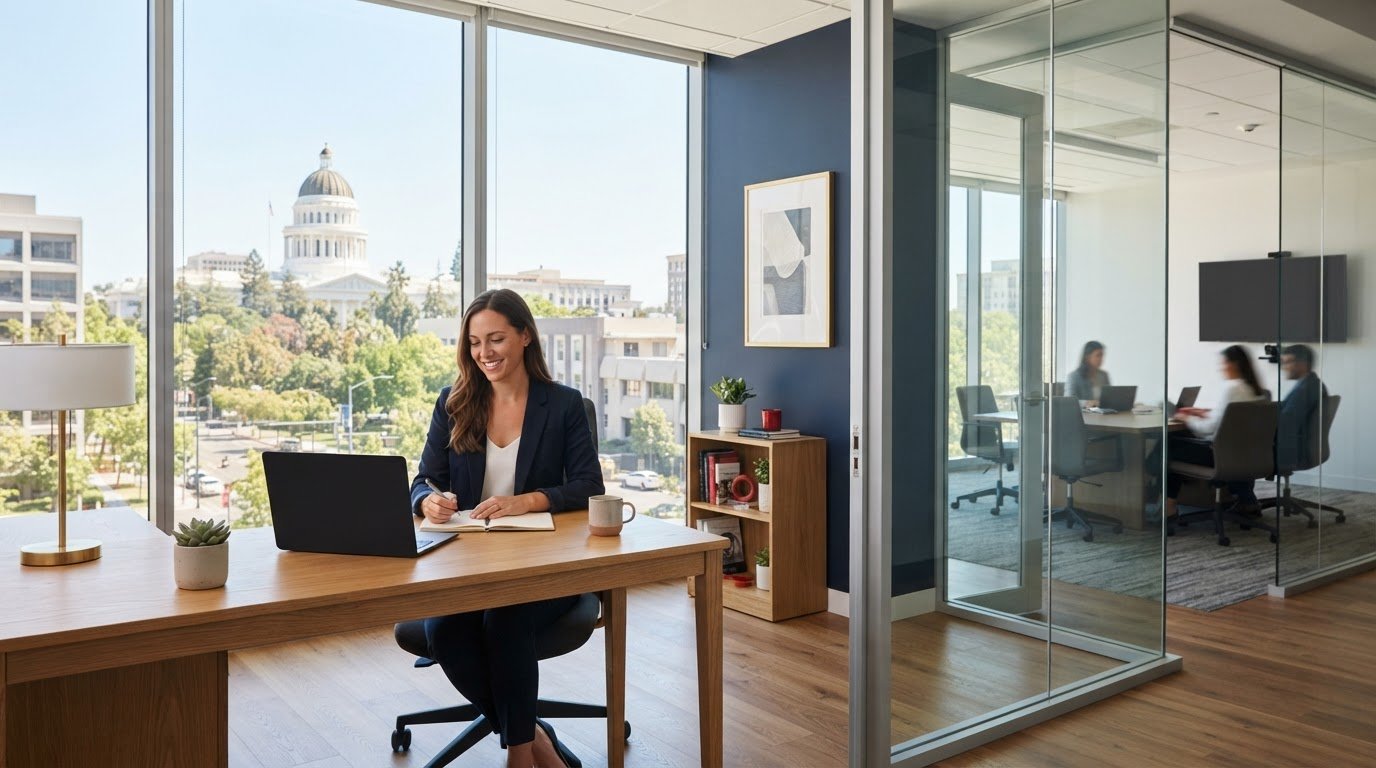
Citizens Business Center offers private offices and executive suites for established teams that need a consistent, professional base. These options can suit businesses moving beyond temporary project space or bringing employees together for regular in-person work. Meeting rooms support scheduled team discussions, while a virtual office can serve businesses that need a professional business presence without a dedicated workspace.
The fully managed environment includes high-speed internet, secure 24/7 access, free on-site parking, and professional conference rooms. Month-to-month or annual lease options give businesses a choice of commitment as their workspace needs evolve. Consider which employees need a dedicated office, how often the team meets, and whether a private suite fits its current operations.
Contact Citizens Business Center to discuss which workspace option may suit your team.
Choose a Workspace That Can Grow With Your Plans
Your next workspace decision can shape how your team works together. Start with the business you’re building toward: consider which employees need a dedicated base, when in-person collaboration matters, and what kind of professional presence supports your plans. The right fit should serve your current operations while leaving room for change.
Citizens Business Center offers Private Offices, Executive Suites, and Virtual Office options for different ways of working. Choose a dedicated setting for a team that needs a consistent home base, or a Virtual Office when you need a professional business presence without a dedicated office. A clear view of your goals can make the next step in scaling your business with flexible office space more intentional.
Contact Citizens Business Center today to discuss your workspace needs. Move forward with a setup that supports your team’s next stage.
Frequently Asked Questions
Can a company upgrade to a larger office suite during the agreement term?
A company may be able to move into a larger suite during its agreement if the contract and available workspace allow the change. Before signing, look for terms covering office transfers, notice periods, and how a revised agreement takes effect. A growing Sacramento team, for example, may need a larger suite after adding employees. Aligning any change with the agreement can help avoid disruption to work routines and team access.
What is the difference between a private office and a sharing office?
A private office gives one business a dedicated workspace, while a shared office is used by people from different businesses. A private room may suit employees handling confidential calls or keeping work materials onsite. Shared space can work for people who need somewhere to work occasionally and don’t require an exclusive room. Consider your team’s privacy, collaboration, and attendance needs when choosing.
What types of flexible office space are available for growing businesses?
Growing businesses can consider private offices, executive suites, virtual offices, and meeting rooms. A Sacramento consultant who works remotely may need a virtual office for a professional business presence, while a small team may prefer a dedicated office. Meeting rooms can support scheduled client presentations or planning sessions. Choose according to how your business works, rather than headcount alone.
How do flexible office space costs compare with traditional office leases?
Flexible workspace can group some occupancy expenses into a recurring arrangement, while a traditional office may require separate setup and ongoing costs. The comparison depends on the agreement, space requirements, included services, and expenses your business manages directly. For a useful forecast, compare the full commitment and expected usage, not just the headline rent. Include setup, utilities, furniture, internet, and meeting needs in your assessment.
What lease terms, deposits, and cancellation rules apply to flexible office space?
Lease terms, deposits, and cancellation rules depend on the specific agreement. Citizens Business Center offers month-to-month or annual lease options for its private offices and executive suites. Review the written agreement for payment timing, any deposit, notice requirements, and what happens when you end or change the arrangement. These details can affect cash planning, so understand them before committing to a workspace.
How can a business estimate how much office space it needs as it grows?
Estimate space from expected attendance and work activities, not employee count alone. A company with remote staff may need desks for scheduled team days, plus a room for client meetings. A team with frequent in-person collaboration may need more dedicated workspace. Forecast hiring and office use over the next 6-12 months, then consider how private conversations, equipment, and shared tasks affect the layout.
What should businesses compare when choosing a flexible office provider?
Compare agreement terms, workspace type, included services, internet access, security arrangements, and meeting facilities. For a Sacramento business, location and parking can also affect whether employees and clients can use the space. Match those details to real work needs: a team hosting presentations may prioritize conference facilities, while a remote professional may value a business address and mail handling. Review the complete agreement before deciding.
How can companies expand or reduce flexible office space as headcount changes?
Companies can adjust their workspace by matching their office arrangement to attendance, hiring, and team responsibilities. A business adding an in-person department may need a larger private office, while a remote-heavy team may need less dedicated space and occasional meeting rooms. Review headcount forecasts alongside actual office use, then make changes in line with the agreement. This keeps workspace decisions connected to operational needs as the business evolves.