A delivery notification confirms arrival, not secure handoff. For secure package receiving for my business, use a designated receiving location where deliveries can be accepted and stored until an authorized person collects them. Signature requirements can help keep valuable items from being left unattended, while controlled access and clear delivery instructions add further safeguards.
A dependable process matters when deliveries arrive while your team is busy or away. Secure package receiving for my business can mean using a staffed receiving location or controlled pickup point instead of leaving parcels in a public area. The right arrangement depends on delivery frequency, package handling needs, and who can collect shipments. This guide explains how receiving, secure storage, signatures, and layered security work together, then looks at how Sacramento mailbox and office options can support your delivery routine.
Key Takeaways
- Rerouting deliveries to a secure pickup location can reduce the time packages sit unattended.
- Plan storage and access procedures around who receives, records, and collects business deliveries.
- Use signature requirements strategically for valuable shipments, alongside tracking and clear delivery instructions.
- Combine access controls, cameras, and delivery practices to build a more complete security process.
- Consider how a local business address or office setting could better fit your team’s delivery routine.
1. What Is a Package Receiving Service?
A package receiving service gives business shipments a designated destination when staff can’t reliably accept deliveries. Rather than leaving a box at an unattended entrance, the carrier delivers it to a staffed or controlled pickup location. The recipient collects it according to the location’s identification or release process. For example, a small firm expecting equipment can route the delivery away from its public-facing office door.
Start with the carrier’s delivery options. Use the tracking number to view available changes, then select an authorized pickup location or alternate address before delivery. Options vary by carrier, shipment, and delivery stage. A neighborhood pickup point may suit routine parcels, while a staffed receiving location can be more practical for shipments requiring an identified recipient.
Local arrangements can also reduce missed handoffs. A neighbor network works when a trusted nearby person agrees to receive a package and promptly notify the business. Set clear instructions in advance: which deliveries they may accept, where they should keep them, and who can collect them. For instance, a nearby office contact could accept a small, expected parcel, but not an unplanned shipment requiring special handling.
Pickup notifications connect delivery to collection. Use carrier tracking alerts and the receiving location’s notice, if available, to learn when a parcel is ready. Before arranging collection, match the notification to the tracking number, sender, and expected contents. An internal record can note the arrival time, intended recipient, and person who collected the package.
PIN verification can add a clear release step. The recipient shares the assigned code with the location or authorized handler, who checks it before handing over the parcel. Keep the code within the intended business team, and don’t include it in public delivery instructions. A PIN supports controlled pickup, but doesn’t replace identity checks or a record of who collected the shipment.
What USPS rules apply to commercial mail receiving agencies and business mailboxes? USPS rules govern how a commercial mail receiving agency handles customers’ mail, including the process for authorizing recipients. A business mailbox is a receiving arrangement, so follow the provider’s applicable USPS enrollment and identification process.
What insurance or liability coverage applies to packages received by a third party? A third party’s acceptance alone doesn’t establish who covers loss or damage. Responsibility depends on the receiving agreement, carrier terms, and applicable insurance policy. If a problem arises, record the parcel’s condition and handoff.
For smoother pickup, send the recipient the tracking number, collection location, and any required code through a private channel. If a colleague collects the item, record their name and pickup time. These steps create a clear handoff trail from carrier notification to business possession.
Choose a receiving route based on package size, timing, and access needs. A nearby pickup point can work for occasional parcels, while recurring shipments benefit from a consistent destination and collection routine. Clear rerouting instructions, timely notifications, and controlled release make deliveries easier to manage without relying on an unattended drop-off.
2. Secure package storage and theft prevention
A delivery is more vulnerable when it remains visible and unattended. In 2024, porch pirates stole more than $12 billion worth of goods in the United States, and nearly 60 million people reported package theft. Those figures underline why businesses need a defined place and process for incoming shipments.
Choose a receiving area that isn’t visible to the public. A delivery room or secured interior space can keep parcels away from sidewalks, public entrances, and passersby. Avoid accepting packages at unsecured side doors or leaving them where visitors can reach them. Give carriers clear instructions for the authorized receiving entrance.
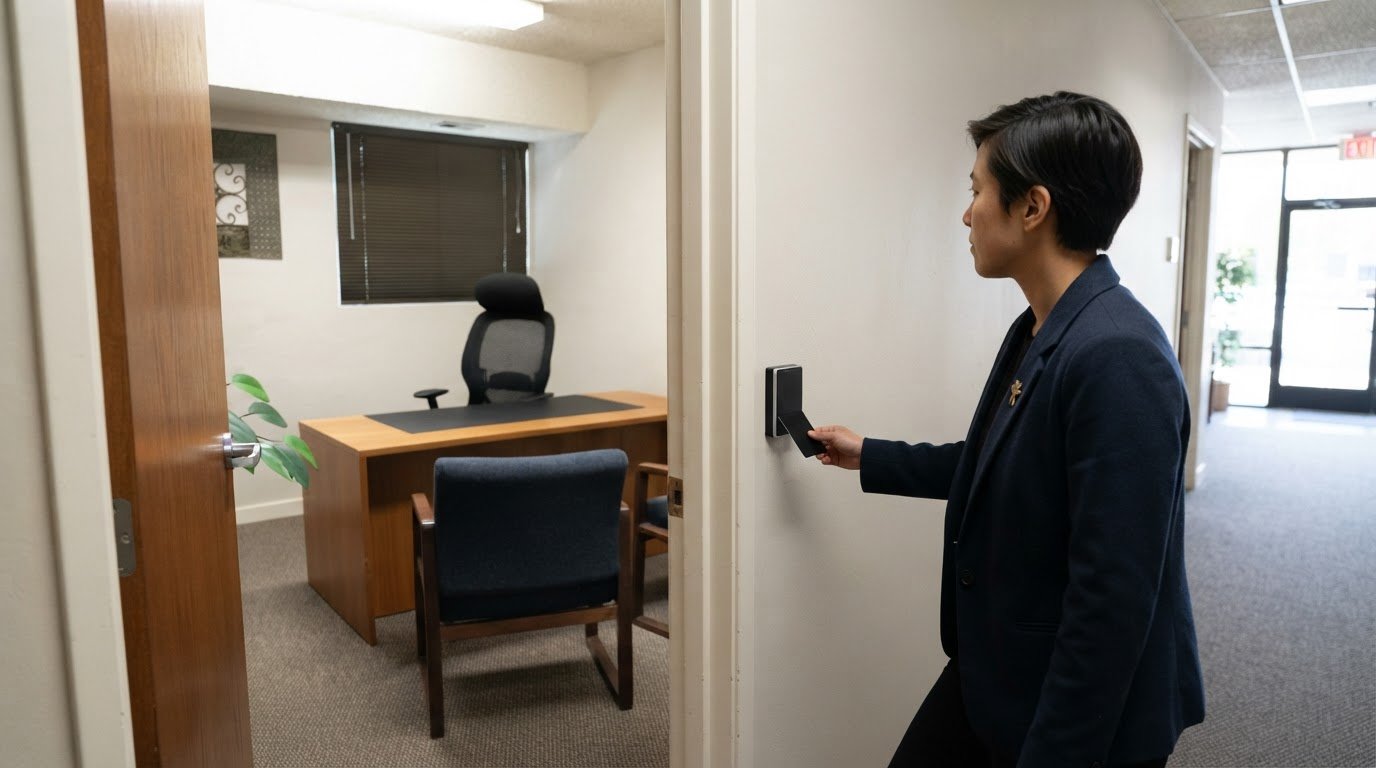
Access controls make handoffs more accountable. Businesses can use keycards, PIN codes, mobile credentials, or scheduled permissions to limit entry to authorized employees or vendors. Keep access records, and position cameras to cover both the receiving room entrance and interior handoff area. Together, these measures help clarify who entered and where a package was placed.
For valuable inventory or sensitive records, keep a delivery log. Record the arrival, package condition, intended recipient, and employee who takes possession. This creates a clearer chain of custody if a shipment is delayed or damaged. For example, a team receiving replacement equipment can log the carrier handoff before moving the box to its designated storage location.
Plan how parcels will be handled after delivery. Keep packages inside a designated area, separate from public circulation and everyday work surfaces. Set a process for transferring items to their recipients, and avoid letting unclaimed deliveries accumulate. A consistent routine reduces confusion about whether an item arrived, where it went, and who should collect it.
Fit security measures to the receiving environment. Cameras can document arrivals, access permissions can limit entry, and smart alerts can flag activity in the receiving area. These tools work best alongside practical rules, such as directing carriers to one approved entrance and prohibiting unattended drop-offs in exposed locations.
Review the process whenever delivery patterns change. A rise in incoming shipments, a new receiving entrance, or a change in staff responsibilities can create gaps. Update access permissions and delivery instructions so former employees or vendors don’t retain access unnecessarily. For businesses seeking a more controlled workplace setting, private office options may be relevant to the broader workspace decision.
3. Signature requirements for high-value items
A signature request can help prevent a valuable shipment from being left unattended. For a laptop, replacement component, or client device, select a carrier option requiring a signature when available. The carrier records a handoff instead of simply marking the parcel delivered. That record can help your team identify who accepted the shipment and when.
Choose the signer before dispatch. Name an employee who can receive the item, or authorize a colleague to take responsibility. If nobody can be present during the expected delivery window, use a secure pickup destination instead of relying on a signature at an empty entrance. In the United States, carrier options and signature procedures depend on the shipment and selected service.
Pair the signature requirement with tracking. Follow the shipment status and use delivery notifications to coordinate the receiving person’s availability. If the carrier reports an attempted delivery, use the tracking details to arrange the next available handoff or pickup. This helps distinguish “delivered,” “attempted,” and “collected,” which can mean different things in internal records.
Keep a receipt record for high-value items. Note the tracking number, item description, delivery date, signer, and visible package condition. For example, a manager receiving a camera can record its serial number after opening it and matching the contents to the purchase record. Store that information with the order documentation, not in a public delivery area.
A mailbox can suit regular correspondence and parcels that fit its receiving arrangements. It doesn’t replace a signature handoff when the carrier requires one or a shipment needs a recipient present. Before choosing a destination, consider the shipment’s size, handling needs, and delivery instructions.
Oversized, refrigerated, and high-value deliveries need different handling plans. An oversized item requires a receiving area with enough space and a safe route for collection. Refrigerated goods need appropriate temperature-controlled handling and prompt transfer. For a high-value parcel, request a signature where available and use a named recipient or controlled pickup process.
Signature requirements add accountability, but don’t eliminate every delivery risk. A signed parcel may still need inspection for visible damage, and a tracking record doesn’t replace your own receipt documentation. Set a clear response for damaged packaging: photograph it before moving or opening the item, note its condition, and retain the carrier and order details.
Match the delivery method to the shipment’s value and your team’s schedule. A low-risk office supply order may suit routine receipt, while a costly device merits a named signer and documented handoff. This keeps everyday deliveries convenient while giving sensitive or valuable shipments a more deliberate route from carrier to business.
4. Layered package security
A camera can show a delivery, but one view may miss what happens next. Layered security combines visibility, targeted alerts, controlled entry, and a clear handoff routine. For a business receiving area, consider the carrier’s approach, the drop-off point, and the route into the building. Each layer answers a different question: who arrived, where the parcel was placed, and who collected it.
Place a camera where it can capture the receiving entrance and package placement. A doorbell-style camera can show activity near a doorway, while a wider outdoor camera can cover approach paths and people leaving with packages. For a larger area, professionally positioned 4K cameras can cover entrances, walkways, gates, or loading approaches. Aim for useful coverage, not simply more cameras.
Set detection zones around the delivery entrance rather than monitoring every passing movement. Motion settings and person-based detection can reduce irrelevant alerts. For example, a zone covering the receiving door can notify staff when someone approaches while excluding a busy public sidewalk. Check the camera’s live feed and adjust the zone if regular carrier activity triggers too many notifications.
Use alerts to support a prompt response, not replace receiving procedures. A mobile notification can prompt an assigned employee to check the entrance or coordinate the handoff. Two-way audio may let staff give a carrier instructions remotely. Keep directions specific, such as naming the approved entrance or asking that a parcel be placed within camera view.
Lighting improves visibility at a business entrance after dark. Motion-activated lights can make activity easier to see and may improve recorded video quality. Position lights to illuminate the delivery area without creating glare across the camera lens. A clear view of the parcel location helps staff distinguish a routine drop-off from activity that needs follow-up.
Match protection to the deliveries your business receives. A valuable shipment may need camera coverage, an arrival alert, and a documented transfer to its recipient. Routine supplies may need only clear entrance coverage and an assigned collection process. Don’t rely on camera footage alone: combine it with access rules, delivery instructions, and a record of who took possession.
Review footage and alerts if a delivery goes missing or appears misplaced. Preserve the relevant clip promptly, note the shipment details, and record when the carrier marked it delivered. Compare the video with the business’s receipt log to identify the last visible handoff. This can clarify what happened and reveal gaps in camera positioning or staff procedures.
5. Local package receiving services
A local receiving location gives business deliveries a destination when staff aren’t available at the office. Options include a workplace that accepts deliveries, a carrier pickup point, a staffed receiving location, or a private mailbox service. The right choice depends on the carrier, package size, collection routine, and whether someone can accept it on arrival. For a Sacramento business, secure package receiving starts with a destination suited to its actual delivery needs.
What secure package receiving options are available for businesses? A business can route shipments to an authorized pickup point, staffed receiving location, or mailbox service that accepts packages. Each option involves a different handoff, so match the location to delivery instructions, access needs, and the person who will collect the package.
How do UPS Store, FedEx Office, and private mailbox services compare for package receiving? UPS Store and FedEx Office are carrier-branded retail locations, while a private mailbox is a mailbox-based receiving arrangement. Compare carrier compatibility, package dimensions, signature handling, notifications, storage, and pickup convenience rather than assuming the options work identically.
Begin with the delivery details. Check the shipment’s carrier and tracking information, then choose a destination that supports the intended handoff. For recurring supply orders, a consistent local address can simplify instructions for employees and vendors. For a one-time parcel, a nearby pickup point may shorten the trip from delivery to collection.
Consider timing as well as distance. A pickup location is useful only if an authorized employee can collect the package during its operating hours. For example, a business owner who works away from the office may prefer a destination near their regular commute. A team receiving shipments throughout the workday may benefit more from a staffed workplace receiving area.
Plan collection before the package arrives. Assign a recipient, share tracking details privately, and record who collects the shipment. If the carrier requires a signature, make sure the arrangement supports that handoff. For larger parcels, consider the route from the pickup location to the business and the equipment needed to move the item safely.
Local pickup points aren’t suitable for every delivery. Temperature-sensitive goods need appropriate handling, and oversized shipments require enough space and a practical collection plan. High-value packages may call for a named recipient and documented receipt. A secure package receiving plan should account for the package itself, not just the nearest address on a map.
Use a short decision sequence: identify the carrier, assess package size and handling needs, select an accessible destination, then assign a collector. A private mailbox can provide a business-focused receiving address, while an office destination may better suit shipments that need staff coordination. For a local business address solution, explore business options.
Citizens Business Center
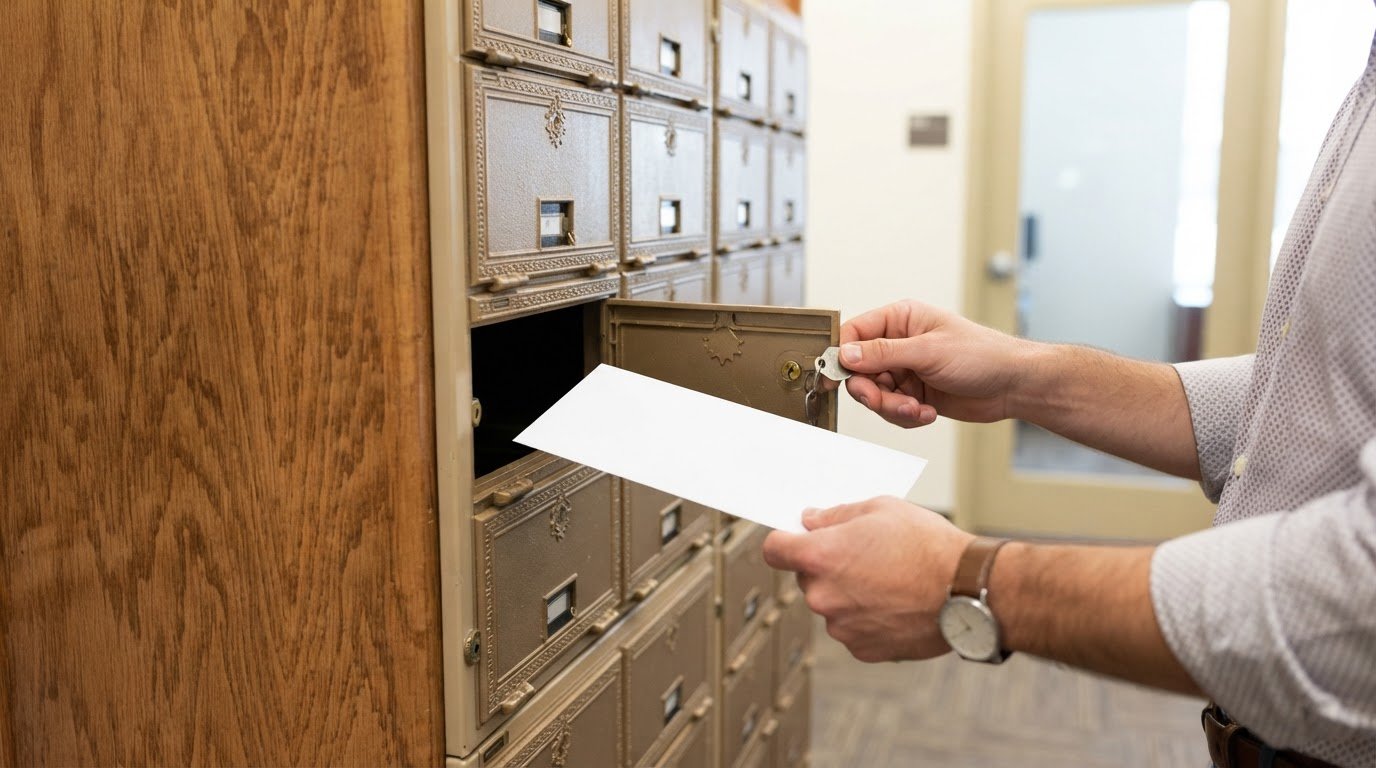
Citizens Business Center offers Business Mailboxes and Private Mailboxes for businesses seeking a dedicated mailing address. These services can support a more organized business mail routine, while Private Offices and Executive Suites provide a separate workplace. A Virtual Office may suit businesses seeking a professional presence without using a private office as their daily workspace.
Consider these options when deliveries and correspondence need a more consistent destination, or when your current workplace setup no longer fits your business. Match the choice to how your team works and manages incoming mail. For a practical conversation about your business needs, contact Citizens Business Center.
Make Delivery Planning Part of Business Growth
Treat delivery handling as an operating decision that can change as your business evolves. A secure package receiving plan should reflect who manages incoming goods, how the team works, and where daily operations take place. Revisit the arrangement when staffing, work patterns, or shipment needs change. A new employee or schedule can affect who is available to handle deliveries.
Consider who makes delivery decisions when you’re away, whether shipments need attention during business hours, and how receiving them affects focused or customer-facing work. These details can help you decide whether your current business environment supports your routine. Citizens Business Center offers Private Offices, Executive Suites, and Virtual Office arrangements for different business needs.
Choose a setup that aligns with your operations, then make delivery handling part of the routine. If you’re ready to discuss your business needs, contact Citizens Business Center. Take the next step toward a more organized workday.
Frequently Asked Questions
What Is a Package Receiving Service?
A package receiving service gives shipments a business or designated location instead of an unattended doorstep. Depending on the arrangement, the location accepts the parcel, holds it for collection, or handles business mail. For example, a remote consultant might use a business mailing address for correspondence while sending time-sensitive equipment to a workplace where someone can receive it.
Are my packages stored securely?
Security depends on how the receiving location controls access, manages handoffs, and handles the type of item delivered. Citizens Business Center’s mailbox services provide secure mail handling. For shipments requiring special conditions, such as refrigeration or oversized-item access, match the delivery plan to those needs rather than assuming standard mailbox handling covers every parcel.
Which carriers can deliver to your location?
Carrier delivery depends on whether the selected service accepts the destination address and shipment type. USPS, UPS, and FedEx each have delivery options and tracking processes, which can differ by shipment. Before dispatch, check the carrier’s delivery details to ensure the address and any pickup or signature instructions suit the package. Keep the tracking number with the business order record.
Will I be notified when my package arrives?
Carrier tracking notifications show shipment progress and may report a delivery scan. Set alerts through the carrier’s tracking service, then direct them to the employee responsible for receiving the order. For example, a purchasing manager can forward a delivery notification to the intended recipient and record the shipment status. A carrier scan is useful, but it doesn’t replace your team’s receipt record.
How do commercial mail receiving services work?
A commercial mail receiving service gives a business a designated mailing address and handles incoming mail through an account associated with the business. Mailbox services can separate business correspondence from a home address and provide a consistent destination for mail. Set internal procedures for who reviews incoming items, how recipients are notified, and how important correspondence reaches the right person.
Can a business use a coworking space or virtual office to receive packages?
A business can use a coworking location for deliveries if the facility accepts them under its own arrangements. A Virtual Office may provide a business address and mail handling without a private office. Citizens Business Center offers a Virtual Office and mailbox services to support business mail needs. Package requirements still depend on the shipment and receiving process.
What identification and authorization are required to pick up business packages?
Pickup requirements depend on the receiving location and carrier. A practical collection record can include the tracking number, recipient’s name, and written authorization when someone collects on a colleague’s behalf. Keep those details with the order record, and have the collector follow the location’s identification process. This helps distinguish an authorized handoff from an employee who simply knows a shipment was expected.
How can businesses prevent package theft, loss, and delivery errors?
Reduce mix-ups by keeping one current receiving address for each shipment and assigning an employee to match deliveries with purchase records. For example, compare the tracking number and sender with the order before distributing a parcel. Record damaged packaging or missing items promptly, preserve relevant delivery details, and review the process if repeated errors point to unclear instructions or unreliable handoffs.