The asking rent is only part of an office lease’s cost. For real estate agent office space in Sacramento, the full budget depends on the location and size of the space, the lease structure, and which operating and maintenance expenses are included. Those details matter when comparing options throughout the Sacramento market.
It’s reasonable to focus first on rent, but lease terms and the responsibilities attached to a space also shape its overall cost. This article explains how Sacramento office lease transactions provide context, what to consider when comparing terms, and how location, space needs, and ongoing expenses affect a rental decision. You’ll also learn what to weigh when choosing an office, reviewing lease options, and deciding whether a traditional lease or a flexible workspace better suits your business. The goal is to understand your choices and costs before committing.
Key Takeaways
- Use Sacramento office lease transactions as context for evaluating a space, while focusing on how well its terms fit your business.
- Compare flexible office arrangements with traditional leases to understand the trade-offs in commitment, space, and included services.
- Build a fuller occupancy budget by considering both rent and the operating and maintenance responsibilities tied to the lease.
- Assess locations in Sacramento and Folsom based on client access, daily workflow, and the professional setting your brokerage needs.
- Explore private offices, executive suites, virtual office options, and meeting rooms when you need a workspace setup that can adapt to your operations.
Office space lease transactions in Sacramento
Sacramento property sales offer context, but they don’t set office lease rates. A sale transfers ownership; a lease grants the right to use a space under negotiated terms. When researching real estate agent office space in Sacramento, separate these transaction types before comparing costs. A purchase price doesn’t show a tenant’s monthly rent, operating expenses, or maintenance obligations. It can, however, illustrate how property type and location shape commercial decisions.
That transaction involved an entire office property, not a small brokerage tenancy. Industrial properties aren’t direct comparisons for office leases.
For zoning and business licensing, first establish whether the specific parcel permits the planned brokerage-office use. Sacramento and Folsom may have different local processes, so the address and business activity matter. Treat zoning review and local business registration as separate steps before committing to lease terms.
California Department of Real Estate requirements depend on whether a location serves as a broker’s principal office or a branch office. Identify the type of office and address the relevant DRE requirements before finalizing the lease. This distinction helps determine what the brokerage needs to consider for its chosen location.
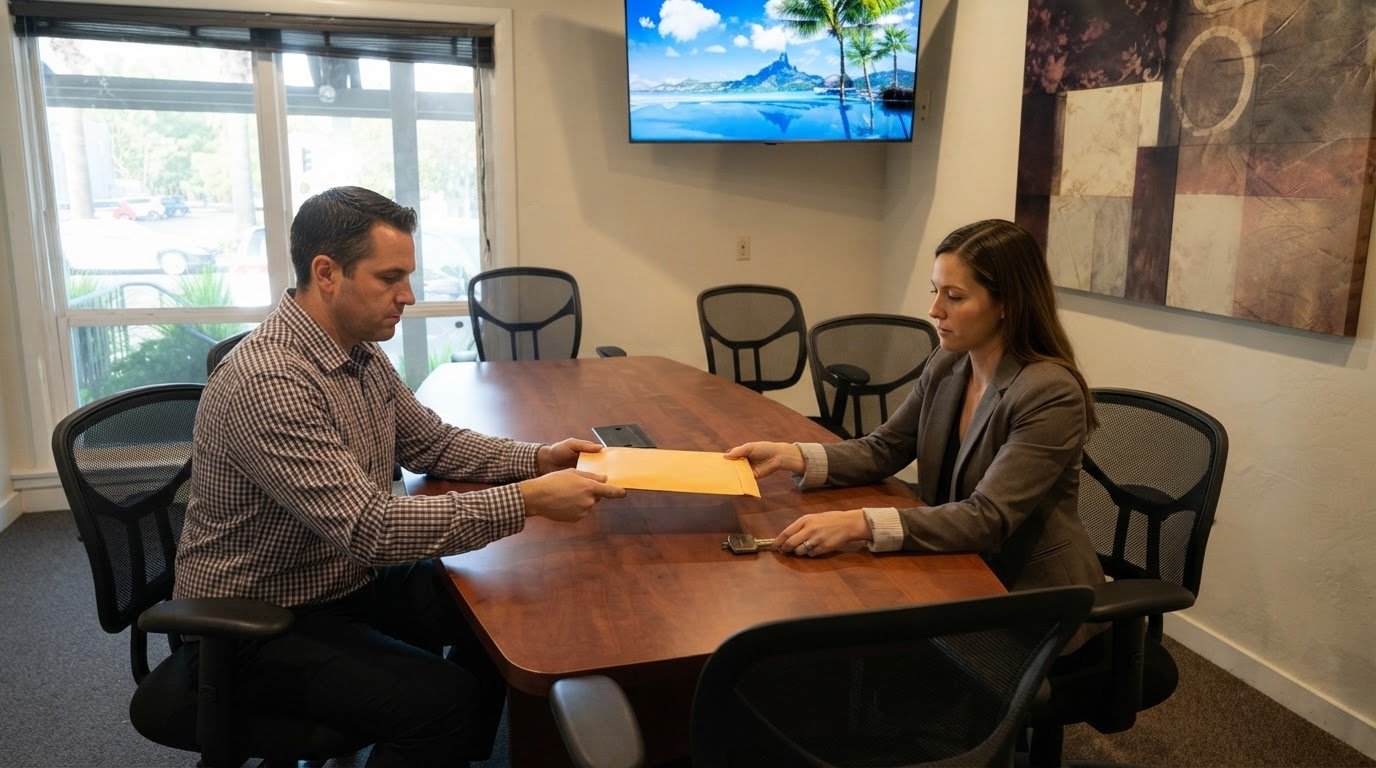
A lease involves more than accepting the asking rent. The tenant and landlord negotiate the space, lease duration, permitted use, expense responsibilities, and any improvement work. Each term affects the practical cost of occupying the premises. A small office with limited client access may suit an individual agent, while a brokerage that regularly meets clients may need reception space and private rooms.
- Confirm the property address and intended brokerage use before discussing final terms.
- Separate base rent from operating expenses, utilities, repairs, and maintenance duties.
- Ask how rent changes during the term and when those changes take effect.
- Document responsibility for improvements, signage, access, and shared building areas.
- Compare the lease’s full obligations with the space agents will actually use.
Evaluate whether a transaction fits your needs, not just its headline rent. A clearly documented agreement helps a Sacramento brokerage understand its commitments before moving in. Keep the property’s permitted use, costs, and responsibilities aligned with the office’s day-to-day work.
Finding business space through flexible office options
Yes, Sacramento agents can consider coworking and shared-office arrangements alongside dedicated private spaces. These formats differ in privacy, access, and how the workspace is used. An agent who mainly works remotely may need a professional place for occasional client meetings. A brokerage with frequent private conversations may prefer a dedicated room. Match the setup to actual work patterns, not just its label.
Start by mapping the workday. List where agents handle calls, prepare listings, meet clients, and coordinate transactions. An agent who schedules private consultations, for example, needs a quieter setting than someone who mainly uses an office for focused administrative work. A shared workspace can offer a professional setting, but privacy depends on the specific arrangement. Identify which tasks require a closed door before choosing a format.
Next, distinguish the workspace from the agreement that governs access. Consider how the arrangement handles meeting-room use, mail, visitor reception, internet, and building access. These details help determine whether a flexible office suits a solo agent, a small team, or a brokerage with frequent client appointments. A team that meets together may need regular access to a conference room, while a remote agent may prioritize a professional business address.
- Solo agent: Consider how often you need a private place for client conversations.
- Small team: Match the workspace to shared planning, calls, and individual work.
- Remote-first brokerage: Decide whether a physical meeting location or business address matters most.
- Client-facing office: Prioritize visitor access, meeting space, and a professional setting.
A professional office can provide practical amenities such as high-speed internet, secure access, on-site parking, and conference facilities. Some managed environments also include receptionist services and shared kitchen access. For real estate agents, these features can support video calls, listing discussions, and scheduled client meetings. Clarify which amenities are included and which have separate terms, then compare them with your team’s typical workday.
Use a simple selection sequence: define the work tasks, choose the privacy level, identify essential amenities, then compare access and agreement terms. This keeps a polished conference room from overshadowing everyday needs such as quiet calls or secure document handling. Consider a virtual office when you don’t need a physical workspace every day but still want a professional business presence. If you need to work on-site regularly, assess a private office. The right fit supports client service without adding features your team rarely uses.
Office affordability and maintenance costs
Sacramento office rents vary by neighborhood, building type, and lease structure. A downtown office, suburban suite, and converted commercial building can differ in access, layout, condition, and included services. Compare spaces with similar uses and responsibilities rather than judging affordability by location alone. For an agent who regularly meets clients, suitable meeting space may matter more than extra square footage.
Ask for the complete occupancy cost, not just the advertised rent. A lease may allocate operating expenses, utilities, maintenance, and repairs differently. One landlord, for example, may handle common-area upkeep, while another agreement assigns some costs to the tenant. The lease language determines which expenses belong in your budget, so review each obligation before comparing options.
Typical Sacramento lease terms depend on the property and agreement. The lease sets its duration, renewal options, rent adjustments, permitted use, and responsibility for improvements. Upfront costs can include deposits, initial rent, moving, setup, and agreed improvements. The total depends on the space and negotiated terms, not on a single standard formula.
Build a side-by-side comparison before selecting a property. Record the rent structure, included services, maintenance duties, and costs required before opening. Then test the budget against realistic office use. A brokerage that needs private client meetings may pay more for suitable space while avoiding the cost of a larger floor plan that agents rarely use.
- Rent structure: Note whether quoted rent is separate from operating expenses.
- Utilities: Identify which services the tenant pays directly.
- Maintenance: Record responsibility for repairs, shared areas, and routine upkeep.
- Improvements: Clarify who pays for agreed changes and what happens at lease end.
- Renewal terms: Review options and how future rent adjustments are handled.
Maintenance planning also affects affordability after move-in. A suite that needs substantial setup may require more initial coordination than a ready-to-use office. Older equipment, shared facilities, and tenant improvement duties can also change the workload and expenses. Make sure each responsibility appears clearly in the agreement instead of relying on informal expectations. This makes it easier to compare a traditional lease with a managed arrangement.
For a Sacramento brokerage, the best measure of affordability is the total cost for the intended use. Match the space to agent schedules, client appointments, and privacy needs. If the team works remotely and meets clients occasionally, a smaller footprint may be more practical. If agents need regular in-person collaboration, assess whether the layout supports that work without requiring unnecessary space.
Rents vary across downtown, suburban, and converted commercial spaces. Building condition, layout, included services, and lease structure also affect the comparison. Compare similar uses and responsibilities, and consider total occupancy costs rather than relying on location or advertised rent alone.
What office space is available for real estate agents in Sacramento, CA?
Sacramento agents can consider conventional office suites, standalone offices, and managed private workspaces. Each format supports different routines. A solo agent may prioritize a quiet room for paperwork and calls, while a growing brokerage may need several work areas and space for team discussions. The right choice depends on how agents serve clients, not simply on a building’s appearance.
A conventional office suite gives a brokerage defined premises within a larger commercial property. The lease sets permitted use, tenant responsibilities, and access arrangements. This format can suit teams that need a consistent place for daily operations. It also calls for close attention to maintenance and operating expense terms.
A standalone office can offer more control over layout, signage, and client arrival. It may suit a brokerage that wants its own entrance or dedicated reception area. Consider how clients reach the office, where they can meet privately, and whether the layout supports agent collaboration. These practical details help determine whether a separate building fits the business.
Managed private workspaces offer another option for agents who want a professional setting without managing every aspect of a conventional premises. Depending on the arrangement, access to shared facilities may be included. A private office can support confidential client conversations, while a virtual office can suit an agent whose work happens mainly in the field. These formats differ in how much physical workspace they provide.
- Solo agent: Focus on private calls, document work, and occasional client appointments.
- Small brokerage: Consider individual work areas and a place for team coordination.
- Field-focused team: Decide how often agents need to work together in person.
- Client-facing office: Prioritize meeting privacy, visitor access, and a professional arrival experience.
Evaluate each Sacramento space in a consistent order. First, define the work that happens on-site. Next, identify essential rooms and facilities. Then compare the layout, access, lease obligations, and services with those requirements. A brokerage handling frequent consultations, for example, may value meeting privacy more than extra open-plan desks.
Before choosing a property, map a typical workday, from agent arrival through client meetings. Note which tasks need quiet, privacy, or shared space. Then match those needs to the property’s actual layout and agreement. A polished lobby won’t compensate for an unsuitable meeting setup. Likewise, an expansive suite may be unnecessary if agents spend most days showing properties across Sacramento.
When choosing real estate agent office space in Sacramento, judge options by fit and function. Compare conventional and managed spaces using the same operational priorities. This keeps the decision grounded in client service, agent workflow, and the responsibilities attached to each workspace.
Which Sacramento neighborhoods are best for a real estate brokerage office?
No single Sacramento neighborhood is best for every brokerage. Choose based on where clients live, where agents show properties, and how often the team meets. Downtown Sacramento, Midtown, East Sacramento, and Natomas are areas to compare. Folsom may also suit a brokerage serving clients east of the city. Treat these as search areas, then assess specific addresses.
Start with your client map. If most appointments happen near central Sacramento, compare offices in Downtown and Midtown. If agents regularly work across the city, consider how an office location fits their daily routes. A brokerage serving Folsom clients can assess Folsom alongside Sacramento locations. This doesn’t rank neighborhoods; it connects the choice of location to the business’s actual service pattern.
Next, compare the properties themselves. In each area, note the office entrance, visitor access, parking, nearby services, and building condition. These features can vary between properties on the same street. Two Midtown offices, for example, may differ in client arrival experience or meeting space. Compare specific addresses, not neighborhood labels alone.
Use a consistent site-review process for Downtown Sacramento, East Sacramento, Natomas, and Folsom:
- Map common client appointment locations and agent travel routes.
- Assess how visitors find and enter the specific building.
- Review parking, transit access, and nearby destinations relevant to clients.
- Compare the space layout with the brokerage’s daily work.
- Consider lease responsibilities alongside the location’s convenience.
Visibility may matter for a brokerage that welcomes walk-in inquiries, while a referral-based team may value appointment privacy more. Assess Midtown or Downtown addresses for client-facing suitability, but remember that visibility and access depend on the specific property. For a field-focused team, a location aligned with regular showing routes may be more useful than a central meeting point. Base the decision on actual work patterns, not assumptions about a district.
Folsom and Sacramento also present a practical trade-off: an office closer to one client group may add travel for another. List the areas where agents regularly work, then compare candidate addresses against that list. A brokerage serving clients across both places can evaluate meeting locations without assuming one city is automatically preferable. Include the intended office use and lease obligations in the same comparison.
Before choosing, score each address against the same criteria: client access, agent travel, privacy, building condition, and occupancy responsibilities. This makes a Downtown suite comparable with an East Sacramento office or a Folsom location. To review workspace options for your location search, explore available office spaces.
Citizens Business Center: Private Offices
Citizens Business Center offers Private Offices and Executive Suites for real estate professionals who need a dedicated place to work. These options can suit agents handling calls, preparing listings, or meeting clients in a professional setting. Meeting Rooms provide space for scheduled discussions, while a Virtual Office can support agents who work mainly in the field but need a business presence. Flexible month-to-month or annual lease options offer different commitment structures. The managed environment includes high-speed internet, secure access, on-site parking, and conference facilities, helping reduce day-to-day office coordination.
If you’re ready to explore a workspace that fits your brokerage’s routine, contact Citizens Business Center.
Choose a workspace that supports your next move
The right real estate agent office space in Sacramento should fit how your business plans to operate, not only how it works today. Consider whether your team expects to add agents, shift more work into the field, or hold more client meetings. Those plans can shape the privacy, access, and flexibility that matter in a workspace.
Before deciding, write down the work you need the office to support and the lease responsibilities you’re prepared to manage. Use those priorities to guide a focused discussion about your options. A clear brief helps you assess whether a workspace supports your professional image and daily operations without distractions.
Take the next step when you’re ready to discuss your office needs. Contact Citizens Business Center to explore a suitable workspace for your business. A considered choice can give you a steady base for serving clients and growing with confidence.
Frequently Asked Questions
Need support finding your next space?
Citizens Business Center provides workspace options for Sacramento professionals who need a dedicated office or a business presence without a full-time office routine. Before choosing, consider how often you’ll meet clients in person and whether you need a private place to work. An agent who mainly works in the field, for example, may have different needs from a brokerage that holds regular team meetings.
What is the average cost per square foot for Sacramento office space?
There isn’t one average cost per square foot that applies to every Sacramento office. The amount depends on the neighborhood, property type, condition, lease structure, and expenses assigned to the tenant. A per-square-foot figure may also leave out maintenance, utilities, or shared facilities. Compare similar spaces and review the full occupancy obligations before deciding whether an option fits your budget.
How can agents secure suitable office space in Sacramento through a flexible office provider?
Start by matching the workspace format to your brokerage’s actual routine. Decide whether agents need a private office for daily work, meeting rooms for appointments, or a virtual office for a professional business presence. Then share those priorities when discussing options with a Sacramento provider. Clear requirements for privacy, client visits, and team use make it easier to find a suitable arrangement without paying for space the team won’t use.
What risks and hidden costs should agents consider when leasing Sacramento office space?
Look beyond advertised rent to consider utilities, maintenance, repairs, shared areas, improvements, and moving costs. Lease terms can also affect renewal options, rent adjustments, and responsibility for restoring a space. A suite that needs changes before client meetings, for example, may bring extra setup costs. Ask for expenses and tenant duties to be clearly described in the agreement, then compare the full obligations across suitable Sacramento offices.