What if a more productive workday starts with fewer interruptions, not longer hours? When calls, conversations, and household demands compete for your attention, important tasks can take longer than they should. The productivity benefits of a private office begin with a dedicated place to focus and a clearer boundary between work and everything else.
A private workspace won’t automatically solve every scheduling challenge. It can give you a dependable setting for work that needs concentration, from planning and writing to confidential calls. A consistent office routine can also make it easier to start the day, manage transitions, and leave work behind when you’re done.
In this article, you’ll learn which tasks are especially well suited to a private office, how workspace conditions can support focus and professional routines, and what to weigh before making a commitment. You’ll also see how managed private offices in Sacramento, with high-speed internet, receptionist services, and professional conference rooms, can support focused work and client interactions. Use these points to decide whether a dedicated office fits your schedule and business needs.
Key Takeaways
- Match your workspace to the task: focused solo work and confidential calls may benefit from privacy, while collaboration needs room for conversation.
- The productivity benefits of a private office depend on how well it supports your focus needs, work schedule, and professional interactions.
- Protect concentration time by planning priority tasks, setting focus blocks, and managing interruptions; a dedicated office works best alongside intentional habits.
- Use a private office as a consistent work setting, while keeping clear routines that help separate work time from personal time.
- When weighing a Sacramento office, consider how managed workspace features and professional conference rooms fit your day-to-day business needs.
How a Private Office Can Support a More Productive Workday
You sit down to finish a proposal, review figures, or prepare for a client call. Then a nearby conversation breaks your concentration, a household task pulls you away, or the workday has no clear starting point. Those interruptions can leave important work feeling fragmented. A private office offers a practical alternative: a dedicated setting where you can organize your day around the tasks that need your attention.
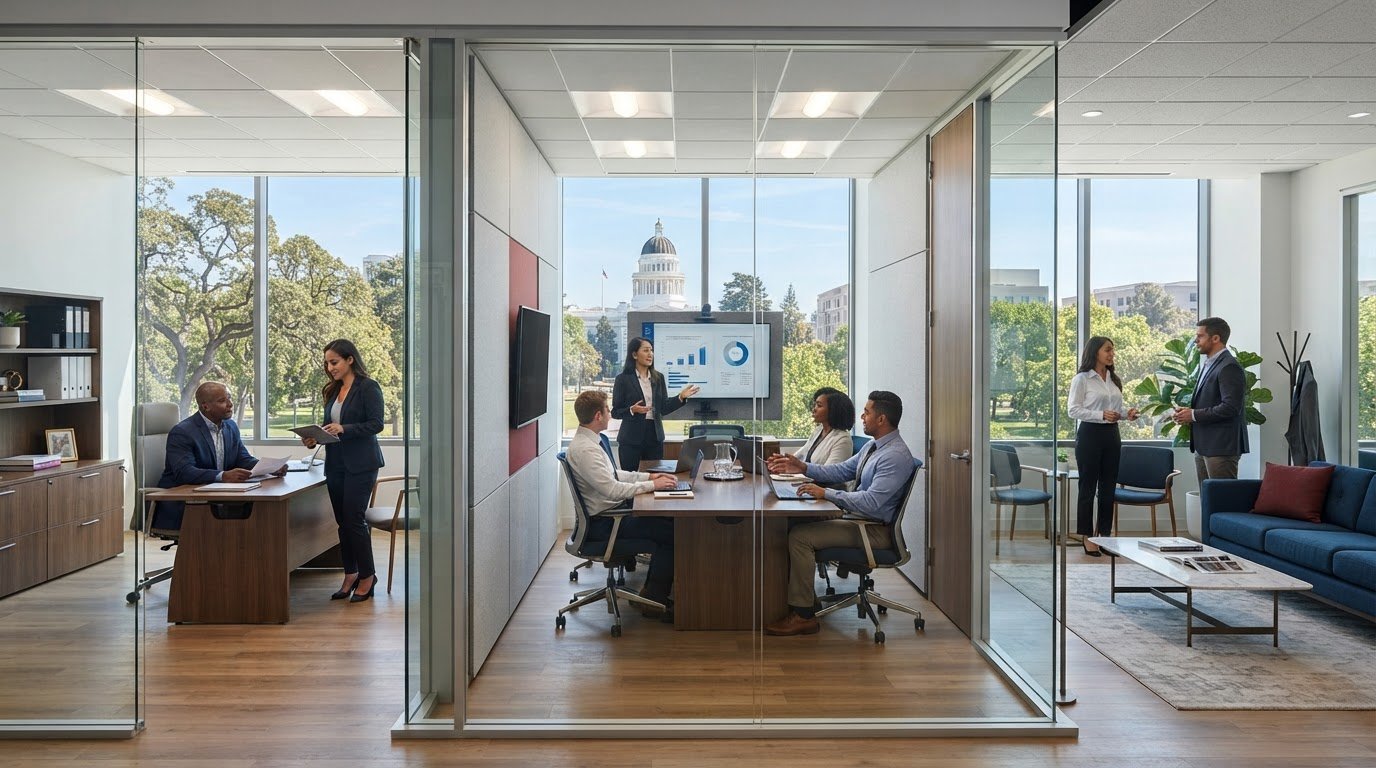
A private office is an enclosed, dedicated workspace that gives you greater control over your immediate work environment. Unlike a shared desk, it provides a consistent space assigned for your work rather than a surface used by different people. Office layouts serve different purposes, and a private office can suit concentration and confidential activities. That distinction matters, but it doesn’t make one workspace productive for everyone. The fit depends on your tasks, routines, and the conditions you need to work well.
What changes when work has a dedicated space?
A consistent place to work can become a cue to begin. Arriving, setting up your materials, and reviewing your priorities can form a repeatable start-of-day routine instead of a search for a suitable spot. Privacy gives you more control over visual distractions and casual conversation, though it doesn’t promise total silence. You’ll still need to plan for calls and interruptions. Working away from home can also make the end of the workday more distinct.
Which kinds of work benefit most from privacy?
Start with tasks that require sustained attention or discretion. Writing a proposal, planning a project, analyzing business information, and taking a confidential call are practical examples. In these situations, a dedicated room can help you keep your materials and attention centered on the task. These are potential advantages, not guaranteed productivity results; your habits and the conditions around you still matter.
Other work benefits from frequent input. Brainstorming, quick team discussions, and collaborative problem-solving may be easier when people can interact naturally. A private office can support individual preparation or follow-up, while a meeting room may be more suitable when several people need to work together. The goal isn’t to do every task behind a closed door. Choose the setting that fits the work in front of you.
That’s the practical value behind the productivity benefits of a private office: a better fit between the environment and the task. Before choosing a dedicated workspace, notice when interruptions tend to happen, which activities need privacy, and whether a regular location would help you set clearer workday boundaries. Use those observations to judge whether a private office supports the way you actually work, rather than expecting the space alone to change your habits.
The Productivity Mechanisms Behind a Private Office
A workspace can support productivity through practical changes: fewer unexpected interruptions, more control over your immediate surroundings, and less friction at the start of a work session. These conditions don’t make focused work automatic. They can make it easier to protect time for demanding tasks and return to them after a disruption.
Privacy, interruptions, and focused attention
Picture setting aside an hour to finish a client report. In a busy shared setting, a passing conversation or an unexpected question might break your train of thought. In a private office, you have more control over whether those interactions reach you, which may help you stay with the report for longer stretches. Privacy reduces some opportunities for interruption; it doesn’t eliminate distractions or guarantee that you’ll finish faster.
There’s also a mental cost to switching tasks. In a 2009 study published in Organizational Behavior and Human Decision Processes , researcher Sophie Leroy described “attention residue”: after a person moves on to a new task, thoughts about the previous one can linger and make it harder to fully engage with the next Leroy’s research on attention residue.
That idea helps explain why an interruption can cost more than the time it occupies. If an unrelated request breaks your work on a report, you may need to recall where you were, what remains, and which information you were weighing. A private office can make it easier to limit unscheduled interruptions during a planned focus block. You’ll still need to manage calls, messages, and your own task switching.
Routine, boundaries, and cognitive load
Familiar surroundings can become a useful cue. Arriving at the same workspace, opening the materials for a priority task, and reviewing your schedule can signal that focused work is beginning. A consistent setup can also remove minor decisions, such as where to sit or whether you have a suitable place for a confidential call. Those saved choices don’t guarantee better results, but they can make a routine simpler to repeat.
Environmental control can be practical rather than elaborate. Gather the materials you need before starting, reduce visual distractions where possible, and set a clear period for checking messages. If a conversation needs privacy, plan for it instead of trying to fit it into a concentration block. Small decisions made in advance can help protect attention without expecting the room to do the work for you.
Individual needs differ. Some people concentrate best with quiet and a closed door; others rely on frequent conversation, quick feedback, or a changing environment. Consider which conditions help you begin, stay engaged, and transition out of work. The productivity benefits of a private office are most relevant when its setting matches your tasks and habits. For Sacramento professionals considering a dedicated workspace, Citizens Business Center’s private offices provide a dedicated setting to consider.
Private Office Productivity Benefits: Match the Space to the Task
A private office is most useful when its conditions fit the work you need to do. Privacy can support concentration and discretion, but it isn’t a productivity upgrade for every task or every person. Ask whether a dedicated setting helps you do your priority work and whether collaboration and client interactions have an appropriate place too.
When privacy can improve the work session
For focused writing, planning, or analysis, fewer interruptions may help you keep your attention on one piece of work. A dedicated setting also gives you a consistent place for work materials and routines, so you spend less time resetting between sessions. Confidential calls can benefit from greater separation and privacy. These advantages matter most when the task requires concentration or discretion; privacy alone doesn’t make every result better.
Use this comparison to weigh the fit:
| Task | Possible private-office advantage | Possible limitation |
|---|---|---|
| Focused solo work | A dedicated setting may make it easier to organize materials and protect concentration time. | It won’t replace task planning or suit work that depends on frequent input. |
| Confidential calls | Greater privacy can help keep business conversations separate from surrounding activity. | You may still need to manage interruptions and prepare for the call. |
| Team collaboration | A private office can provide a base for preparation and follow-up. | Ongoing group discussion may be better suited to a shared meeting space. |
| Client meetings | A professional setting can support a focused conversation. | An office may be more space than needed if meetings are occasional. |
When another setting or a meeting room may fit better
Collaboration depends on interaction: people need to exchange ideas, ask questions, and respond in the moment. A closed office may help one person concentrate, but it isn’t automatically the best setting for group work. If you work remotely and meet clients only occasionally, access to a room for those conversations may fit your schedule better than maintaining a dedicated office. Professional meeting rooms offer a separate setting for client consultations and presentations.
Consider the rhythm of a typical week before deciding. How often do you need uninterrupted time? Do confidential calls or in-person client conversations come up regularly, or only now and then? Which work benefits from working alongside others? The answers help you compare the productivity benefits of a private office with the needs it may not address. A private office isn’t automatically more productive for everyone; the strongest fit is the space that supports your recurring tasks without adding unnecessary commitment or friction.
How to Make a Private Office More Productive in Practice
A dedicated office creates useful conditions, but it doesn’t plan your day for you. The productivity benefits of a private office are easier to realize when you pair the setting with clear priorities, intentional focus periods, and a simple way to review what’s getting done. Try this repeatable routine and adjust it to the demands of your role.
Create a repeatable focus routine
Start with the work that matters most, then make room for it before lower-priority messages take over. Choose focus periods that fit the task and your energy rather than following a fixed formula. Give yourself short breaks, and finish with a brief review so the next work session has a clear starting point.
- 1. Identify priority work. Before opening routine communications, write down one or two important tasks. Make the next action specific, such as outlining a proposal or reviewing figures, so it’s easier to begin.
- 2. Schedule focus blocks. Set aside time for each priority based on the work involved and when you tend to concentrate best. A complex analysis may call for a longer uninterrupted stretch; a smaller task may need less. Leave space between blocks for breaks and necessary communication.
- 3. Manage interruptions. Decide when you’ll check messages and how colleagues or clients can reach you during a focus period. Close unrelated tabs, silence nonessential alerts, or let people know when you’ll be available. Keep urgent responsibilities in mind, and choose boundaries that suit your work.
- 4. Review and reset. At the end of the day, note which priorities you completed, what needs follow-up, and where the plan changed. Move unfinished work to a realistic time rather than carrying an unclear list into tomorrow.
Reduce friction without overcomplicating the setup
Keep frequently used documents, tools, and supplies within reach. Clear away items that compete for attention, but don’t spend valuable work time trying to perfect your desk. A simple setup is often easier to maintain. Reliable internet access also supports routine online work, including video calls, cloud documents, and business applications.
Focus on outcomes, not desk time. Track whether you completed the priorities you set and whether the work met your quality standards. Hours spent in an office show how long you were present, but not whether the day’s important work moved forward. If focus repeatedly breaks down, adjust your task order, communication windows, or work blocks before assuming you need a new routine.
For Sacramento-area professionals, a managed workspace can reduce everyday office logistics. Citizens Business Center’s private offices include high-speed internet, supporting routine online work while you follow a plan that fits your business. Learn more about private office options in Sacramento and consider how a dedicated workspace could fit your workday.
Choosing a Sacramento Private Office That Supports Your Work
A workspace decision is easier when it starts with the workday you need to support. Consider which tasks demand the most concentration, how often you speak with clients, and whether your schedule requires access beyond standard business hours. Then separate essential requirements from convenient extras. This keeps the choice grounded in how you work, not just how an office looks on paper.
Assess the workday before choosing an office
Write down the tasks most affected by interruptions, such as preparing proposals, reviewing sensitive information, or handling confidential calls. Note how often you meet clients in person and whether you need a professional setting for those conversations. If your schedule varies, secure 24/7 access may be useful. Rank each need as essential or optional so amenities don’t distract from the work conditions you rely on.
For a local comparison, the Sacramento private office guide can help you consider workspace fit alongside your day-to-day requirements. Focus on practical questions: Will the office give you a consistent place for concentrated work? Does the setting support the way you handle calls and visitors? Does the lease structure suit your planning horizon?
Use managed office support to reduce daily logistics
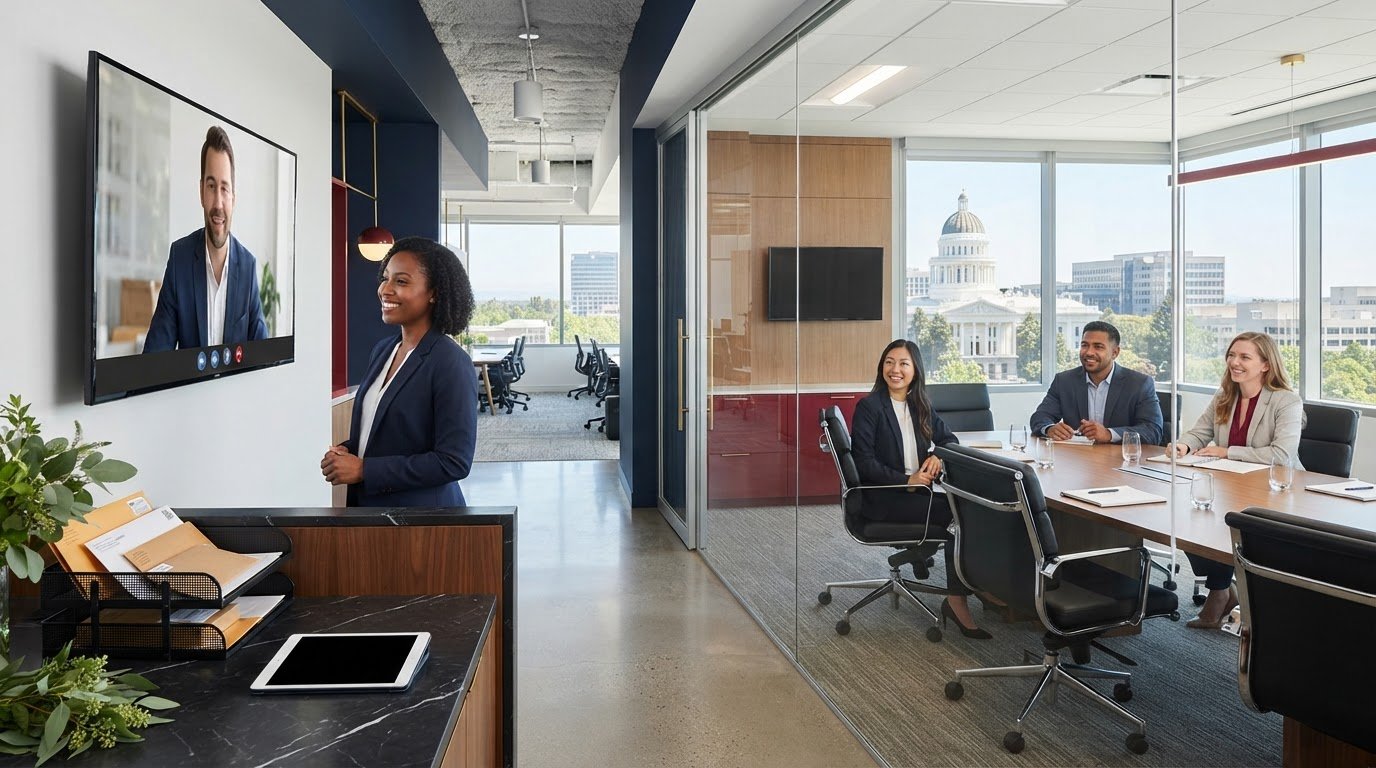
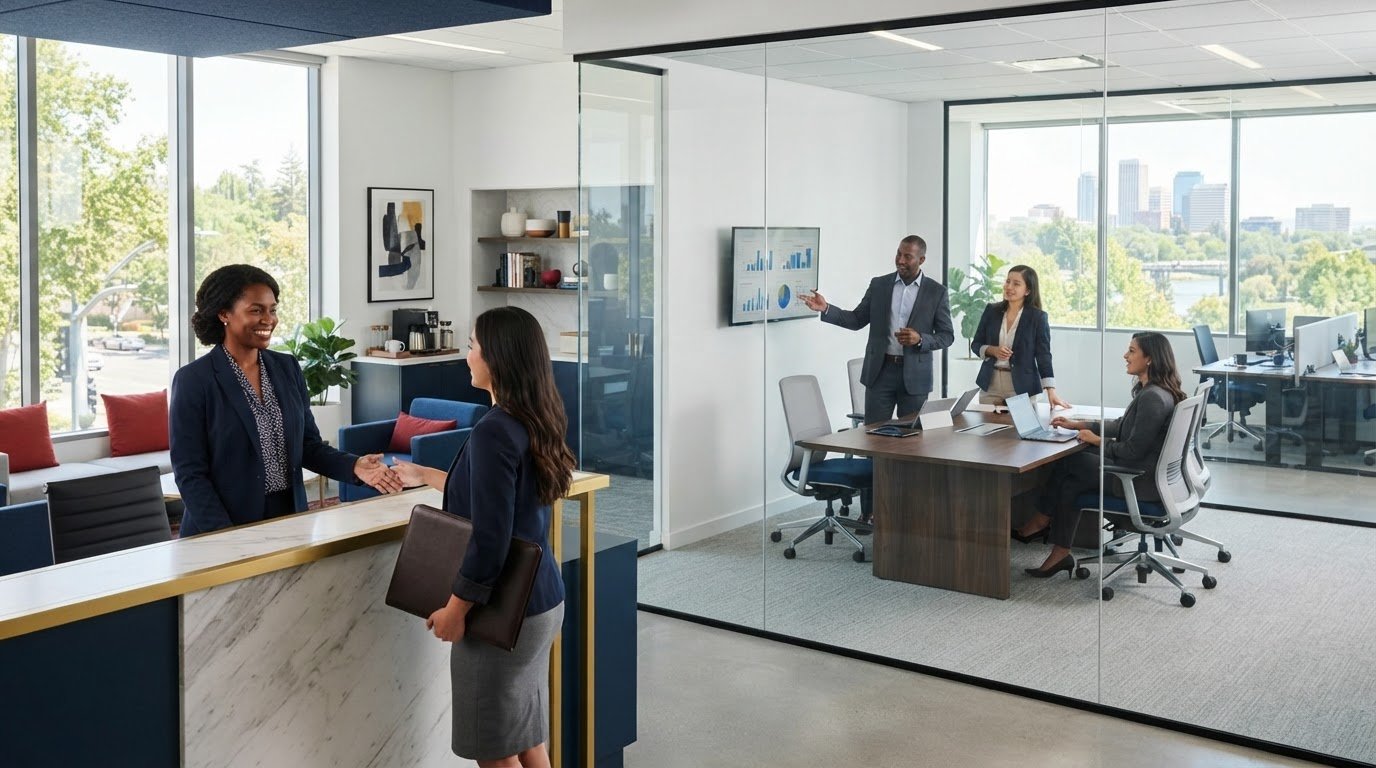
Once you know what your work requires, look at how the setting supports it. Citizens Business Center’s Sacramento private offices and executive suites combine a dedicated workspace with managed features. Secure 24/7 access can accommodate schedules that extend beyond standard business hours. Receptionist services answer calls in your business name, providing a professional first point of contact while you focus on other tasks.
Professional conference rooms offer a separate setting for client consultations and presentations. That helps keep a meeting distinct from your individual workday without requiring every conversation to happen in your office. High-speed internet supports routine online work, while shared kitchen access adds a practical convenience during the day. Consider each feature against a real need rather than assuming every amenity will improve productivity.
Commitment matters, too. Month-to-month and annual lease options give Sacramento-area businesses different planning horizons to consider. Think about how stable your team size, work schedule, and need for a dedicated base are likely to be. A shorter planning horizon may call for flexibility; a more established routine may make a longer-term arrangement worth considering. Weigh the lease structure alongside the work benefits, not in isolation.
The productivity benefits of a private office are most relevant when privacy, routine, and professional interactions are part of your regular workweek. If those needs match your own, consider how Citizens Business Center’s private offices could support your business in Sacramento.
Build a Workday That Gives Your Priorities Room
The right workspace should support the way you actually work, not add another system to manage. If a dedicated setting fits your focus needs and schedule, consider how it could support your next stage of work. Citizens Business Center’s Sacramento private offices and executive suites bring together high-speed internet, secure 24/7 access, receptionist services, and professional conference rooms for focused work and business interactions.
The productivity benefits of a private office are personal: the best fit is the one that helps you protect attention, maintain a dependable routine, and meet clients professionally. Explore Citizens Business Center’s private office options in Sacramento to find a workspace that supports the work ahead.
Frequently Asked Questions
Can a private office make you more productive?
It can, if the setting addresses a real obstacle in your workday. The productivity benefits of a private office may include fewer interruptions during demanding tasks and a more consistent place to work. But a room alone won’t set priorities or complete projects. Match your workspace to a specific need, such as preparing detailed proposals, then assess whether your focus and work quality improve over time.
What are the main productivity benefits of a private office?
The main benefits are greater control over your immediate surroundings, a dedicated place for work, and more privacy for conversations that need discretion. These conditions may make it easier to settle into a task and keep work materials organized. They’re most useful when they address a specific challenge, such as distractions during writing or a lack of privacy for business calls. The value depends on your responsibilities and working preferences.
Is a private office better for focus than working from home?
Not for everyone. Home may be quieter and more convenient for one person, while another may find household activity, shared space, or the lack of separation distracting. Consider when your concentration tends to break: during calls, deep work, or transitions between work and personal tasks. A dedicated office may help with those specific pressure points, but compare the conditions you actually experience rather than assuming one setting is always superior.
How do I make a private office more productive?
Give each work session a clear purpose. Before you begin, define the finished result you want, such as a completed draft or a reviewed budget, and gather the materials needed to reach it. Keep a short list of deferred questions or unrelated tasks so they don’t pull you off course. At the end of the session, note what’s complete and what remains. This makes progress easier to judge than time at your desk alone.
Can a private office help a small business look more professional?
Yes. A consistent, business-focused environment can help small-business owners present themselves with confidence during client conversations. Think about the impression you want to create, the kind of meeting you’re holding, and whether the setting supports a clear, organized discussion. Professionalism also comes through in preparation and communication, not just the room itself. Sacramento businesses can consider how a dedicated workspace fits their client experience as well as their daily operations.
Are private offices useful for remote workers?
They can be useful when remote work needs a more structured setting. A Sacramento-based remote professional might use an office for tasks that require concentration, confidential conversations, or a clear transition away from home. It may be less relevant if work is already comfortable and productive from home or if in-person needs are rare. Consider which days and tasks would genuinely benefit from having a separate work location.